Category: Uncategorized
Overcoming Common Pitfalls in Trial Presentations
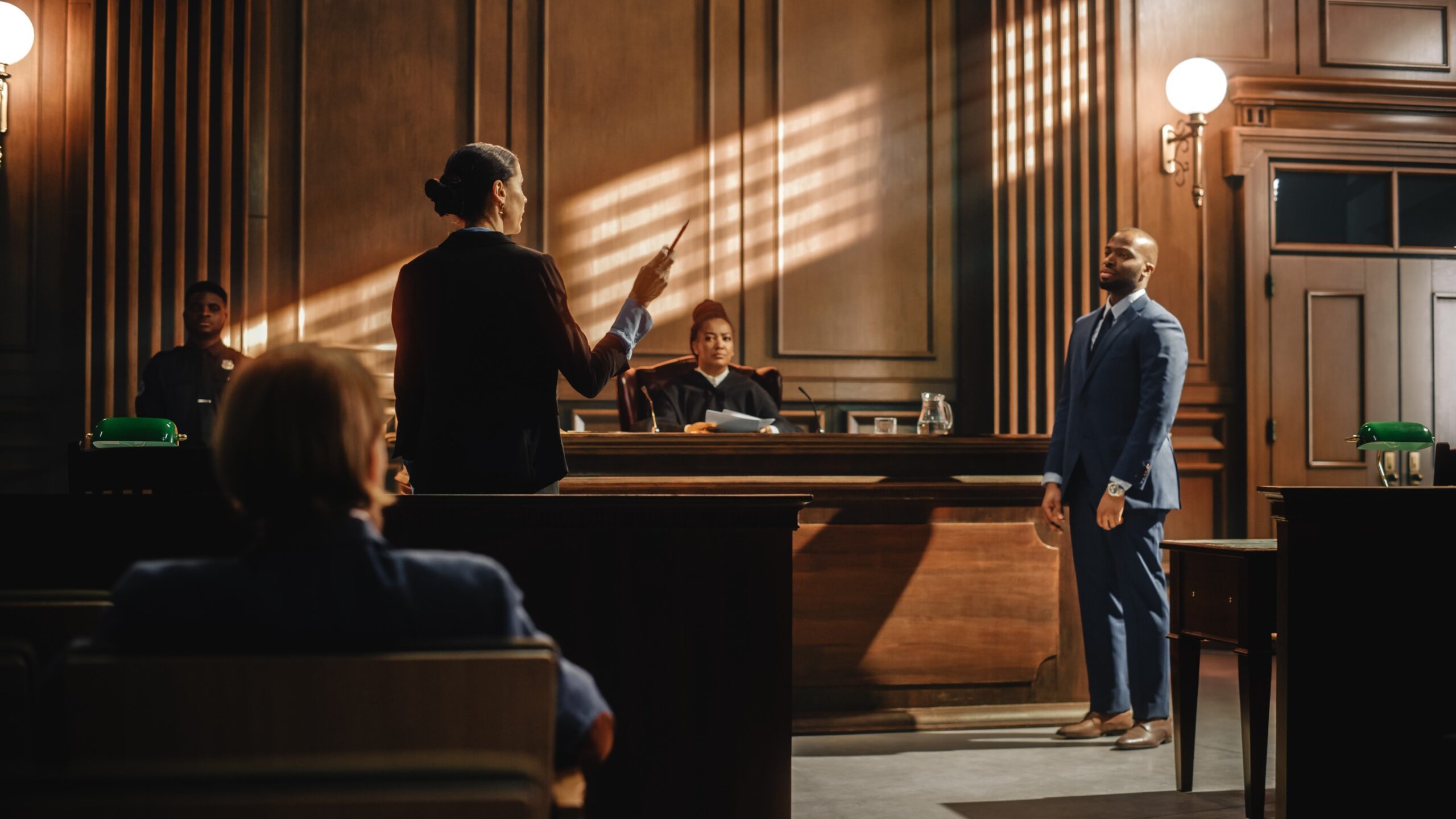
Effective Trial presentations are the cornerstone of legal persuasion, and even the most well-prepared attorneys can fall victim to common pitfalls that can undermine their case. Luckily, there are actionable tips you can use to deliver a more effective and persuasive trial presentation.
Overloading with Information
Attorneys often believe that including every possible detail will bolster their case. However, this can lead to confusion and fatigue among jurors, causing them to miss key points.
To effectively support your narrative, prioritize clarity by focusing on the most major pieces of evidence. Use simple language and avoid legal jargon so your argument is accessible and understandable to those without legal training. Incorporate visuals such as charts, diagrams, or timelines to simplify complex information. Always ask yourself, “If I were a juror, would I be able to follow this?”
Neglecting the Power of Storytelling
While the legal field is inherently fact-driven, neglecting the human element of storytelling can make a case seem cold and unrelatable. Jurors are more likely to engage with and remember a story than a list of disjointed facts.
Craft a compelling narrative that ties your evidence together. Every case has a story—whether it’s about justice, wrongdoing, or redemption. Start with a strong opening statement that sets the stage and introduces the characters (the plaintiff, defendant, and key witnesses). Use the trial presentation to build your narrative, highlighting how each piece of evidence fits into the larger story. Encourage the jurors to empathize with your client by presenting their experiences and emotions.
Underestimating the Importance of Visual Aids
Some attorneys believe that their oral arguments alone are sufficient to persuade a jury. However, people are generally more receptive to information when it is presented visually. Relying solely on verbal explanations can result in jurors missing or misunderstanding key points.
Incorporate well-designed visual aids to complement your verbal arguments. Use slides, videos, and animations to illustrate key concepts. For example, in a personal injury case, a medical animation can help the jury understand the extent of the injuries better than words alone. Be mindful of the quality of your visuals—poorly designed graphics can be distracting.
Failing to Rehearse Adequately
Even the best-prepared cases can fall flat if the presentation is delivered poorly. A lack of rehearsal can result in stumbling over words, mismanaging time, or failing to respond effectively to objections.
Treat your trial presentation like a performance by rehearsing it multiple times—both alone and in front of colleagues who can provide constructive feedback. Pay close attention to your pacing, tone, and body language, as these non-verbal cues significantly impact how your message is received. To further improve your preparation, consider using a mock trial to practice responding to objections and interruptions, ensuring you’re ready for any possible scenario.
Ignoring the Jury’s Perspective
Attorneys sometimes become so focused on their arguments that they forget to consider how the jury perceives the information. This can lead to disconnects, where jurors either lose interest or become confused.
Constantly gauge the jury’s reactions throughout your presentation. Are they engaged, or do they seem lost? Adjust your delivery as needed. Use questions or hypothetical scenarios to involve the jury and encourage them to think critically about the evidence. For example, “Imagine you were in the defendant’s position—how would you have reacted?” This technique not only engages the jury but also reinforces your narrative.
At Legal Media Experts, we specialize in impactful trial presentations. Our team ensures your message resonates with the jury, turning complex cases into compelling stories. Contact us to learn more.
The Role of AI in Remote Depositions

Advancements in technology have revolutionized the legal industry, particularly in how depositions are conducted. With the rise of remote work and digital transformation, Artificial Intelligence (AI) has emerged as a powerful tool, reshaping the concept of remote depositions.
Let’s explore AI’s role in modern legal proceedings, specifically focusing on its impact on remote depositions.
Improving Efficiency and Accessibility
AI-powered tools have significantly increased the efficiency and accessibility of remote depositions. Traditionally, scheduling and conducting depositions involved cumbersome logistics, such as coordinating multiple parties and securing physical spaces. AI streamlines these processes by offering virtual platforms with sophisticated features like real-time transcription, automated scheduling, and secure cloud storage. These advancements save time and reduce costs associated with travel and accommodation, making depositions more accessible to all parties involved.
Real-Time Transcription and Analysis
One of the standout features of AI in remote depositions is its capability for real-time transcription and analysis. AI algorithms can accurately transcribe spoken words into text instantaneously, eliminating the need for human transcribers and minimizing transcription errors. Moreover, AI-powered analytics tools can analyze transcripts on the fly, identifying key phrases, emotions, and patterns in testimonies. This functionality empowers legal teams to pinpoint important information swiftly, improving their strategic preparation and decision-making during depositions.
Facilitating Virtual Collaboration
AI facilitates seamless virtual collaboration among legal teams, witnesses, and interpreters during remote depositions. Virtual platforms equipped with AI can support multiple participants from different locations, enabling real-time communication and document sharing. AI-powered language translation tools further bridge language barriers, ensuring effective communication in multilingual depositions. By fostering a collaborative environment, AI promotes inclusivity and efficiency in remote deposition processes.
Ensuring Security and Compliance
Security and compliance are important in legal proceedings, particularly when conducting depositions remotely. AI technologies employ strong encryption protocols and secure cloud infrastructures to safeguard sensitive information exchanged during depositions. Additionally, AI-driven compliance tools guarantee adherence to regulatory standards and legal requirements, such as data privacy laws and deposition protocols. These measures strengthen trust among stakeholders and uphold the integrity of remote deposition practices.
Predictive Insights and Case Strategy
AI’s predictive analytics capabilities offer valuable insights into case strategy and litigation outcomes. AI algorithms can forecast potential outcomes, identify trends, and assess case strengths and weaknesses by analyzing vast deposition data and legal precedents. Legal professionals can leverage these insights to devise informed strategies, anticipate opposing arguments, and optimize their approach to depositions. AI empowers legal teams to make data-driven decisions that improve their litigation strategy.
The Future of AI in Remote Depositions
Looking ahead, AI continues to evolve and redefine remote deposition practices. Future advancements may include improved natural language processing for more accurate transcriptions, augmented reality interfaces for immersive deposition experiences, and AI-driven predictive modeling for even deeper case analysis. As technology progresses, AI will likely play an increasingly integral role in shaping the future landscape of legal proceedings, ensuring greater efficiency, accessibility, and strategic advantage for legal professionals worldwide.
At Legal Media Experts, we offer exclusive AI solutions tailored for remote depositions. Maximize efficiency and strategic advantage in your legal proceedings. Contact us today to explore how our AI-powered platforms can transform your remote deposition experience.
5 Tips for Working with Interpreters in Legal Settings

Effective communication is important in legal settings to ensure fair and accurate proceedings, especially when language barriers exist. Working with interpreters requires finesse and understanding to achieve clarity and maintain legal integrity.
Here are five major tips for navigating this complex terrain:
Choose the Right Interpreter for the Job
Legal contexts demand interpreters with linguistic fluency and a better understanding of legal terminology and procedures. Ideally, choose interpreters specializing in legal interpretation who are certified or accredited by recognized institutions. This helps make sure they can grasp the details of legal discourse and can accurately deliver statements and questions without distortion.
Prepare Ahead for Effective Communication
Before the legal proceedings begin, take the time to thoroughly prepare the interpreter. Provide them with relevant case documents, glossaries, and any specialized vocabulary that might arise. This preparation helps the interpreter familiarize themselves with the case specifics, enabling smoother communication during the proceedings. Clear briefing sessions also allow the interpreter to ask clarifying questions, which reduces the likelihood of misunderstandings.
Clarity in communication protocols is important to prevent confusion during legal interactions. Outline expectations regarding when the interpreter should interpret, how questions should be relayed and answered, and any courtroom etiquette specific to interpretation. Establishing these protocols upfront ensures everyone involved understands their roles, maintains professionalism, and minimizes disruptions during legal proceedings. It also lets the interpreter know what they are personally expected to do, which gives them time to plan accordingly.
Maintain Neutrality and Impartiality
Interpreters in legal settings must adhere strictly to principles of neutrality and impartiality. They serve as conduits of communication, not participants in the legal process. Interpreters must refrain from offering personal opinions, altering statements, or becoming emotionally involved in the proceedings. This impartiality upholds the integrity of the legal process and means that all parties will receive a fair and unbiased interpretation of statements and evidence.
Communicate Clearly and Effectively
Effective communication between legal professionals and interpreters is foundational to successful interpretation. Speak clearly, at a moderate pace, and avoid using jargon or complex sentences that may be challenging to interpret accurately. Allow pauses for interpretation, especially after important statements or questions, as this will make sure the interpreter has time to convey the message accurately. Additionally, encourage feedback from interpreters if they require clarification or encounter difficulties understanding certain aspects of the proceedings.
Ensure Confidentiality and Ethical Standards
Interpreters must understand and adhere to confidentiality protocols, especially concerning privileged communications between clients and attorneys. Emphasize the importance of ethical conduct, including avoiding conflicts of interest and respecting the privacy rights of all parties involved in the legal proceedings. Clear guidelines on confidentiality help build trust and keep the integrity of the interpreter-client relationship throughout the legal process.
Want expert insights on legal media and communication strategies? Contact our team of Legal Media Experts today to improve your legal practice’s communication prowess. Whether you’re navigating complex cases or improving courtroom clarity, we’re here to help. Reach out now to discover how we can support your legal communication needs.
What Is the Role of the Discovery Process in Court Proceedings?

Litigation is often described as a courtroom confrontation, with attorneys passionately advocating their cases and witnesses delivering compelling testimonies. An important but less publicized aspect of this process is discovery, which occurs well before trial. Discovery is necessary for collecting evidence, forming legal strategies, and ensuring due process is followed.
Read on to understand the important role of discovery in court proceedings
Understanding Discovery
The discovery process refers to the pre-trial phase in a lawsuit, during which both parties exchange information and evidence relevant to the case. This interchange is governed by rules designed to promote transparency, prevent surprises at trial, and encourage settlement.
The Role of Discovery in Court Proceedings
The discovery process gives transparency, helps parties understand their case’s strengths and weaknesses, and promotes fair dispute resolution in court. Here is how it can help in court proceedings:
Ensuring Transparency and Fairness
The primary purpose of discovery is to make sure that both parties have access to the same information, promoting fairness in the litigation process. By requiring parties to disclose relevant evidence, discovery prevents one side from hiding necessary information that could affect the case’s outcome. This transparency can help uphold the legal system’s principles of justice and equity.
Facilitating Settlements
Discovery often leads to settlements by revealing the strengths and weaknesses of each party’s case. When both sides clearly understand the evidence, they can make more informed decisions about settling or proceeding to trial. This can save time, reduce legal costs, and reduce the burden on the court system.
Narrowing the Issues
Through discovery, parties can narrow the scope of the dispute by identifying the key issues that need to be resolved. This focus allows the trial to concentrate on the most integral aspects of the case, making the proceedings more efficient and streamlined.
Building a Strong Case
Discovery provides the foundation for building a solid legal case. By uncovering relevant evidence and understanding the opposing party’s arguments, attorneys can develop effective strategies, craft persuasive arguments, and anticipate potential challenges. A thorough discovery process enables attorneys to present a well-prepared case in court, increasing the likelihood of a favorable outcome.
Improving Case Management
Effective lawsuit management can ensure a smooth and efficient litigation process. Discovery helps attorneys organize evidence, identify key issues, and develop a coherent narrative. This preparation improves the quality of legal representation and the overall efficiency of the court system.
Encouraging Ethical Conduct
The discovery process encourages ethical conduct by holding parties accountable for their actions and statements. By requiring full disclosure of relevant information, discovery promotes honesty and integrity in the legal process. Sanctions for non-compliance, such as fines or adverse rulings, further prevent unethical behavior and reinforce the importance of transparency.
The discovery process remains necessary for both federal and state courts in dealing with civil or criminal cases. It allows parties to uncover facts, exchange evidence, and resolve disputes fairly. To optimize your legal strategy, consult with our team at Legal Media Experts. Contact us today to improve your case outcomes with proper discovery
The Importance of Cultural Competence in Legal Interpretation

Interpretation
The legal profession is not an exception to the necessity for cultural competency in an increasingly globalized society. Legal interpretation requires knowledge of cultural context and legal systems. In addition to word translation from one language to another. Maintaining justice requires fairness, precision, and clarity in court processes, all of which are ensured by maintaining cultural competence in legal interpretation.
Read ahead to understand the importance of cultural competence in legal interpretation.
Understanding Cultural Competency
Cultural competency refers to one’s ability to understand, empathize, and interact effectively with people from different cultures and belief systems. In legal interpretation, this means that interpreters must not only be fluent in the languages they work with but also be deeply informed about the cultures associated with those languages. This enables them to convey meanings and intentions accurately, rather than merely words.
The Role of Cultural Competence in Legal Interpretation
Cultural competency is needed in the legal system for several reasons:
Avoiding Misunderstandings
Misunderstandings are more likely when cultural differences are added to the complexity of legal terminology and procedures. Culturally competent interpreters know these difficulties and how to overcome them. For instance, a literal word-to-word translation of a message may lose the meaning of some cultural expressions of formality or respect. The translation can preserve its original intent and respect only if the interpreter knows these details.
Ensuring Fairness
A lack of cultural competence in legal interpretation can lead to biases, misinterpretations, and, ultimately, injustice. If the cultural context is not taken into consideration, certain gestures, expressions, and behaviors may be misconstrued, potentially resulting in unfair judgments. Culturally competent interpreters help prevent such scenarios by providing accurate and culturally aware translations, which allows all parties to be treated equitably.
Better Multicultural Communication
Interpreters who are aware and respectful of the parties’ backgrounds can promote more efficient and successful communication. This can yield better outcomes in negotiations, trials, and other legal proceedings. It also helps to build a relationship of trust between legal professionals and their clients, which is necessary for successful representation.
Precision in Legal Documentation
Legal documents require precise language and an exact understanding of legal terminology. Culturally competent legal interpreters make sure that legal documents are accurately translated and that all cultural nuances are intact. This accuracy maintains the integrity of legal records and means that all legal documents are fully understood by those involved, regardless of their cultural background.
What the Future Holds
As societies continue to diversify, legal systems worldwide realize the need to include cultural competency in their interpretation training programs and are taking steps to meet this goal. Cultural sensitivity will likely see even greater emphasis in legal education in the future, with improvements in training and technology helping further assist this critical facet of practice.
Professionals can bridge communication gaps and build trust in the legal process by driving a deep understanding of cultural contexts. Developing this will be necessary for the legal profession to meet the demands of a varied society and provide fair justice for all, regardless of their background.
At Legal Media Experts, we excel at providing interpretation services for all cultural backgrounds to ensure fair and accurate communication in legal proceedings. Contact us today to learn how our expertise can help.
How Day-in-the-Life Videos Influence Legal Outcomes

Insurance companies often aim to minimize payouts when involved in car accident claims. This can be particularly frustrating for victims who have sustained severe injuries and face significant ongoing challenges. Personal injury law allows accident victims to seek compensation for medical bills, lost wages, pain and suffering, and other damages.
Read on to understand how day-in-the-life videos can be a powerful tool to prove the full extent of these damages.
What Is a Day-In-The-Life Video?
A day-in-the-life video is a video documentary that portrays a typical day in the life of a car accident victim following the accident. The purpose is to visually demonstrate the impact of the injuries on the victim’s daily activities, mobility, and well-being.
How Day-in-the-Life Videos Can Strengthen Your Personal Injury Claim
Day-in-the-life videos offer a unique perspective, providing a real-time glimpse into the challenges and limitations faced by individuals living with injuries. Let’s explore how these powerful visual tools can significantly impact your case:
Providing Clear and Convincing Evidence
Medical records document diagnoses, but a day-in-the-life video brings those diagnoses to life. Viewers can see firsthand the victim’s struggles, from dressing and showering to completing household chores or engaging in hobbies. This visual evidence can be far more persuasive than medical documents alone.
Documenting Long-Term Effects
Some injuries have lasting consequences that may not be readily apparent in the accident’s immediate aftermath. A day-in-the-life video created months or even years later can be instrumental in showcasing the ongoing impact on the victim’s life.
Humanizing the Experience
Jurors and insurance adjusters are more likely to be sympathetic to a claim when they can understand the victim’s struggles on a personal level. A day-in-the-life video allows the victim to tell their story and showcase the emotional and psychological toll of the injuries.
Strengthening Your Case for Higher Compensation
Catastrophic injuries often require extensive medical care, rehabilitation, and ongoing assistance. A day-in-the-life video can help support claims for significant compensation by visually demonstrating the full scope of the victim’s needs.
When Are Day-in-the-Life Videos Most Effective?
While anyone injured in a car accident can benefit from a day-in-the-life video, they are particularly impactful in cases involving:
Severe Injuries
Amputations, spinal cord injuries, traumatic brain injuries, and other severe impairments can have a dramatic and long-lasting impact on a victim’s life. A day-in-the-life video can effectively illustrate the daily challenges associated with such injuries.
Disputed Claims
If the insurance company disputes the extent of your injuries or the severity of their impact, a day-in-the-life video can provide compelling evidence to counter their arguments.
Cases Going to Trial
Should your case proceed to trial, a day-in-the-life video can be a powerful tool for presenting your case to the jury and influencing their decision regarding damages.
Day-in-the-life videos can be a valuable asset in strengthening your personal injury claim. While professional production has an upfront cost, the possibility of a larger settlement can well outweigh the expense. Legal Media Experts specializes in crafting day-in-the-life videos for individuals who have sustained significant injuries in car accidents. Contact us today to discover how we can support your case.
The Legal and Ethical Aspects of Remote Testimony

In today’s legal landscape, there is a shift in how courts conduct depositions, hearings, and trials. Remote testimony has become a standard tool in the current legal process. While it offers several advantages, it raises crucial questions about legality and ethics.
Continue reading to learn the ethical aspects of remote testimony and explore the best practices.
The Rise of Remote Testimony
There’s been a gradual increase in the adoption of remote testimony after COVID-19. It helps witnesses participate in legal proceedings from virtually anywhere. The process also offers benefits like increased accessibility, cost-effectiveness, and convenience. The approach mainly helps individuals with disabilities and those residing in remote locations. Additionally, it lets courts expedite cases, reduce costs, and increase access to more people.
Ethical Considerations for Remote Testimony
The shift to remote testimony presents unique challenges. Careful consideration is necessary to ensure fairness, witness credibility, and adherence to ethical guidelines. Several ethical principles underpin responsible remote testimony:
- Fairness: Both sides deserve an equal opportunity to present their case and challenge witness testimony during the process. Therefore, there’s a need for clear technology use protocols, uninterrupted testimony, and cross-examination opportunities.
- Witness Preparation and Coaching: While reasonable preparation is essential, ethical lines blur when it becomes coaching. Remote settings might create new avenues for subtle coaching, making vigilance from attorneys and courts crucial.
- Technology Competence: Legal professionals involved in remote proceedings must fully grasp the technology to avoid technical glitches and disruptions. This includes understanding platform features, troubleshooting issues, and ensuring data security.
- Confidentiality: It’s important to protect sensitive information in a virtual environment. Lawyers should implement secure platforms, encryption protocols, and clear data-handling policies.
Strategies for Ethical Remote Testimony
All stakeholders share responsibilities for ensuring ethical practices in the legal process. Some of the factors to consider include:
- Guidelines: The American Bar Association’s (ABA) Formal Opinion 508 provides clear ethics recommendations surrounding remote witness testimony. It emphasizes the critical role of witness preparation in maintaining ethical standards. Lawyers should understand these relevant rules and best practices. They should also communicate clearly with opposing counsel and the court regarding technology use and protocols.
- Witness Coaching: The line between preparation and coaching can be blurry, especially in remote settings. It is unethical to influence or manipulate a witness’s testimony. It undermines the integrity of the legal process. Lawyers can share documents with witnesses but not coach them on how to interpret them.
- Technology Familiarity: Legal professionals in remote proceedings must be comfortable and competent with the technology. The knowledge should go beyond basic video conferencing skills. It must include platform features, troubleshooting, and data security.
- Witness Responsibility: Witnesses also have ethical obligations in remote settings. They should provide truthful and complete testimony, regardless of location or pressure. They should also maintain the confidentiality of sensitive information shared during the proceedings. The lawyers and court must address any ethical concerns or disruptions immediately.
Good technology and support play an important role in ethical processes. Any technical disruptions during a remote testimony can cause irreparable harm in the form of ethical doubts. Partnering with a reputed team like Legal Media Experts can impact your success. We provide a range of court reporting services, including remote testimony support. If you want legal media support in Durham, contact us to learn more about our services.
How to Prepare Your Witness for a Remote Testimony

In the changing landscape of legal proceedings, the way witnesses prepare has been transformed by remote testimony preparation. Moving from the conventional courtroom to virtual platforms requires careful attention to detail to maintain a compelling and credible presentation.
Read the following tips for remote testimony preparation.
Understanding the Challenges in Remote Trial
Transitioning from physical courtrooms to virtual spaces presents distinct hurdles. Despite the convenience, remote testimonies introduce nuances that must not be overlooked. Factors such as the filming environment, demeanor, and technological proficiency significantly impact the credibility and effectiveness of witness testimony.
Essential Guidelines for Witness Preparation
Getting a witness ready for court is a big deal! These guidelines help lawyers and witnesses fully prepare for their time before the judge or jury. Let’s check out these essential tips for getting all set for the big day:
Setting the Stage
Consider the environment where the witness will testify. Advise them on lighting, background, and camera angles to maintain focus on their testimony and avoid distractions.
Dress Rehearsal
Conduct a full dress rehearsal days before the testimony. Evaluate attire, background, and any potential visual distractions. This trial ensures a polished and professional presentation.
Controlling the Scene
Instruct the witness to place a sign on the door to prevent interruptions during filming. Control over the physical space adds to the credibility of the testimony.
Cinematography Matters
Pay attention to details like camera positioning and background. A neutral backdrop and proper lighting can enhance the overall impact of the testimony.
Advocacy and Presence During Testimony
It is crucial to have confidence and readiness when it’s your moment to speak in a remote trial. Let’s explore how being prepared and self-assured can significantly impact the presence of your witness before the judge or jury:
Advocate’s Presence
Consider being present with the witness during remote testimony. This availability comforts the witness and demonstrates transparency and ethical conduct.
Technical Walkthroughs
Conduct a thorough technical walkthrough before the testimony. Ensure the witness is comfortable navigating the platform to prevent technological distractions during the proceedings.
Professional Attire
Stress the importance of professional attire. Dressing correctly contributes to the credibility and seriousness of the testimony.
Mindful Demeanor
Remind the witness of the significance of their demeanor. Even seemingly inconsequential moments during breaks can impact the overall perception of credibility.
Jury’s Lens
Highlight the significance of the jury’s perception. Jurors analyze not just the content but also the delivery and demeanor of the witness.
Content Prioritization
Emphasize the importance of consistent performance throughout the testimony. Every moment holds the potential to influence the jury’s assessment.
Preparing a witness for remote testimony isn’t just about technology—it’s a mix of tech know-how, careful planning, and intelligent advocacy. Taking the time to prepare well protects against problems that might come up if the testimony isn’t presented correctly. In the changing legal world, knowing how to prepare a witness for remote situations is a must-have skill for legal pros. Legal Media Experts can help you organize and present your witness in a remote testimony. Contact us now to learn more.
How to Use Exhibits in Legal Proceedings

Legal proceedings can often be complex due to the need to present evidence in a clear and compelling manner. This is where exhibits come into play, allowing legal professionals to visually and effectively showcase evidence. Whether it’s a powerful photograph, a pivotal document, a compelling video, or any tangible object, exhibits serve as invaluable tools to enhance the overall understanding of the case.
What Exactly Are Exhibits?
Exhibits is the legal term given to any physical or electronic objects or documents that are presented as evidence in court. They serve as visual aids to help clarify and support arguments made by attorneys, allowing judges, juries, and even opposing counsel to understand complex information more easily. Many things can be used as exhibits, including photographs, diagrams, medical records, contracts, financial statements, or even digital evidence such as emails and social media posts.
The Role of Exhibits
When using exhibits, it’s important to remember just what their role in legal proceedings is:
● Presentation of Facts: Exhibits provide a tangible representation of facts or events in a case. For example, a photograph of a crime scene can provide a clear visual understanding of the location and conditions at the time of the incident.
● Simplifying Complex Information: Legal cases often involve complex concepts, technical details, or voluminous documents. Exhibits can simplify such information by condensing it into a visual format that is easier to comprehend.
● Enhancing Witness Testimony: Exhibits can support or corroborate witness testimony. For instance, a witness may describe an accident scene, and an exhibit, such as a diagram or a 3D model, can help visualize and reinforce their account. This strengthens the credibility of the witness and makes their testimony more memorable.
The Importance of Professional Exhibit Presentation
To ensure exhibits are presented effectively, legal professionals often rely on the expertise of exhibit presentation specialists.
These specialists understand the nuances of presenting exhibits in court and have the technical skills to create visually compelling displays. They can assist in organizing and cataloging exhibits, preparing digital presentations, and operating the necessary equipment during trials.
By leveraging their knowledge and experience, attorneys can maximize the impact of their exhibits, improving their chances of success.
How Best to Use Exhibits in Legal Proceedings
While exhibits can be a powerful tool in legal proceedings, their effectiveness greatly depends on how they are used. Here are some key considerations for utilizing exhibits in the most impactful way:
● Relevance and Authenticity: When selecting exhibits, ensure their relevance to the case at hand. Each exhibit should directly support a specific argument or factual claim. Additionally, it is essential to establish the authenticity of the exhibit, proving that it is a true and accurate representation of the evidence.
● Clarity and Simplicity: Exhibits should be clear and easily understandable. Avoid using overly complex visuals or technical jargon that may confuse or overwhelm the audience. Focus on simplicity and clarity to effectively convey the intended message.
● Technology and Multimedia: Leverage technology and multimedia tools to enhance the impact of exhibits. Utilize presentation software, projectors, screens, or other digital platforms to display exhibits clearly and vividly. Incorporating multimedia elements such as animations, videos, or audio recordings can further engage the audience and strengthen the visual impact.
By harnessing the power of exhibits, attorneys can leave a lasting impression on judges, juries, and opposing counsel. As such, it’s worth reaching out to professionals like Legal Media Experts to take care of your legal media needs. Contact us today to learn more about the services we offer.
What Is a Freelance Court Reporter?

Did you know that the vast majority of court reporters work outside the courtroom? According to the NCRA, over 70% of America’s 35,000-plus court reporters do so.
Freelance court reporters are independent contractors who work for courts, corporations, and legal firms to provide arbitration, deposition, and other court reporting services. Here’s all you need to know about freelance court reporters.
What Is a Freelance Court Reporter?
Court reporters are classified into two types: freelance and official. A freelance court reporter is an important member of the legal system, responsible for making accurate and thorough transcriptions of legal events. These experts often work on a contract basis, giving their skills on an as-needed basis to courts, law firms, and other organizations.
Even though they occasionally work in a courtroom, freelance reporters play an important part in the judicial process. Take, for example, depositions. A court reporter is required not only to accurately record a witness’s spoken testimony during a deposition but they can also administer an oath to the witness and swear them in. They, too, ensure that the proceedings are accurately and completely recorded.
Devices Used to Record
Freelance court reporters record legal processes in real-time using specialized technology such as stenography machines. This enables them to create verbatim transcriptions of everything stated during a court hearing, deposition, or other legal action.
Qualities Expected in a Freelance Court Reporter
In addition to technical skills, independent court reporters must be well-versed in legal vocabulary and procedures. They must be able to record and transcribe complex legal arguments and testimony accurately and should also maintain composure under stress.
Freelance court reporters must have high attention to detail and the capacity to work autonomously. They must be able to swiftly and precisely produce high-quality transcriptions, especially in fast-paced and complex court processes. A freelance court reporter must have technical competence, concentration, and the capacity to work under pressure.
Flexibility
Freelance court reporting gives reporters a large amount of flexibility. Because freelancers work as independent contractors, they have complete control over which contracts they take and decline. Unlike official court reporters, freelance, court reporters do not report to the same site every day. Many operate on an on-call basis and travel to local, regional, and occasionally international job sites as needed. Some reporters love this element and would rather not work in the same place every day. After the initial record is taken, freelancers have the added luxury of finishing transcriptions from the comfort of their own homes.
Final Words
Overall, freelance court reporters perform an important role in the legal system by ensuring that court cases and other legal proceedings are appropriately recorded and preserved. Their abilities and professionalism are critical to ensuring that the judicial system operates correctly and fairly.
Legal Media Experts offer reliable legal media services and litigation support. We have worked on cases all across the US. Get in touch with us today to find out more about our services!