Month: March 2025
Five Key Qualities to Look for in a Legal Interpreter
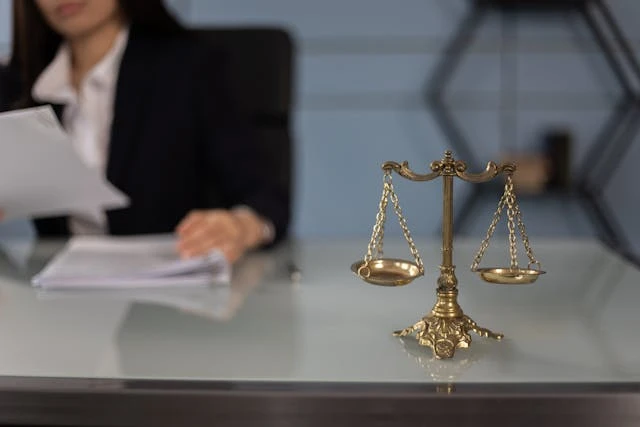
Legal proceedings are complex enough without language barriers getting in the way. Legal interpreters play a crucial role in ensuring that everyone involved—whether a witness, defendant, or attorney—understands what’s being said with absolute clarity. When handling a high-stakes case, this becomes more than important since you need a professional who can do more than just translate words.
Here are five key qualities to look for when hiring an interpreter for your next legal proceedings.
The Importance of Legal Interpreters
Legal settings, like courtrooms, depositions, and attorney-client meetings, often involve complex terminology and high-stakes situations. Misunderstandings can have severe consequences, potentially affecting the outcome of a case. Legal interpreters help mitigate these risks by providing accurate and unbiased interpretation. They make sure that individuals who do not speak the prevailing language are not disadvantaged due to linguistic limitations.
Five Qualities of a Legal Interpreter
Here are five important characteristics that you should look for in a legal interpreter:
- Language Proficiency and Expertise
A legal interpreter must possess exceptional language skills in both the source and target languages. This goes beyond basic fluency; it requires a good understanding of grammar, idiomatic expressions, and cultural nuances. In addition to general language proficiency, specialized knowledge of legal terminology can be an added advantage.
You can also confirm the interpreter’s experience in handling various legal settings. An interpreter who has worked on a variety of cases is more likely to be equipped to handle the unique challenges that each situation presents.
- Impartiality and Confidentiality
Interpreters must remain neutral and unbiased throughout the proceedings. Their role is to convey the message accurately, without adding, omitting, or altering the content. Personal opinions, beliefs, or biases should never influence their interpretation.
Confidentiality is equally important. Legal proceedings often involve sensitive information, and interpreters must maintain the confidentiality of all communications. This ethical obligation upholds the integrity of the legal process and protects the privacy of those involved.
- Accuracy and Attention to Detail
Accuracy is non-negotiable in legal interpretation. Interpreters must convey the meaning of the original message faithfully and precisely. This requires not only linguistic accuracy but also the ability to accurately reflect the tone, style, and intent of the speaker.
Good interpreters will also avoid paraphrasing or summarizing unless specifically instructed to do so. When choosing, look for ones who provide a complete and accurate representation of what was said, even if it is complex or difficult to translate.
- Quick Thinking and Mental Agility
Courtroom interactions can be fast-paced, with attorneys, judges, and witnesses speaking rapidly. A legal interpreter must think quickly, processing spoken words in real time and delivering an accurate interpretation almost instantly. This skill is known as simultaneous interpretation, and it requires exceptional mental agility.
- Professionalism and Reliability
Interpreters should arrive on time, be well-prepared for the assignment, and conduct themselves in a professional manner throughout the proceedings. They should also be dependable and available when needed since legal proceedings often operate on strict schedules. This includes being able to handle assignments of varying lengths and complexities.
At Legal Media Expert, we understand the importance of interpreters in facilitating effective communication in legal settings. We are committed to helping you find highly qualified and experienced legal interpreters with all the necessary qualities. Contact us today to request a quote!
How Real-Time Reporting Transforms Legal Proceedings

The legal world thrives on precision, accuracy, and timeliness. Whether it’s a high-stakes trial or a routine deposition, accurately capturing every spoken word can make or break a case. This is where real-time reporting can help streamline the way legal proceedings unfold.
Here’s a look at real-time reporting and its importance in legal proceedings.
What Is Real-Time Reporting?
Real-time reporting is the process of transcribing spoken words into written text instantly. Court reporters use advanced stenographic technology and software to create verbatim transcripts in real time. These are immediately accessible to attorneys, judges, and other legal professionals, allowing them to follow proceedings precisely and efficiently.
Benefits of Real-Time Reporting
Unlike traditional transcripts, real-time reporting provides on-the-spot documentation. This immediate access to information can help legal professionals respond quickly and make strategic decisions in the moment.
Improving Accuracy and Reducing Errors
Legal proceedings require meticulous record-keeping, and even a minor misinterpretation can lead to serious consequences. Real-time reporting reduces human error by allowing for immediate verification. If something seems unclear, legal teams can review the transcript on the spot, request clarifications, or even flag discrepancies before they become an issue.
Real-time reporting also eliminates the risk of lost or misremembered testimony. Witness statements, attorney arguments, and judge rulings are captured exactly as they are spoken, ensuring an accurate and complete legal record.
Speeding Up Legal Proceedings
Traditional transcript processing can take days or even weeks, slowing down case progress. With real-time reporting, attorneys can access transcripts instantly, making it easier to review testimony, highlight key points, and prepare responses without waiting for a final transcript.
During a deposition, an attorney can quickly search through a real-time transcript to pinpoint contradictions in a witness’s statement. This helps with more effective questioning and a streamlined legal process, reducing unnecessary delays and improving case management.
Providing Greater Accessibility
Legal professionals with hearing impairments, for example, can follow along with proceedings in real time through live captions. This inclusivity provides equal access to information for everyone involved in a case.
Remote legal teams and out-of-state experts can also access real-time transcripts from anywhere. With virtual courtrooms becoming more common, the ability to provide instant transcriptions across digital platforms is a major advantage.
Improving Collaboration Among Legal Teams
Legal cases often involve multiple attorneys, paralegals, and experts working together. Real-time reporting makes collaboration more efficient by providing immediate access to transcripts for all parties involved. Instead of relying on notes or memory, legal teams can review the transcript together, share key excerpts, and strategize in real time.
This instant access to information allows attorneys to adjust their approach mid-trial and prepare for cross-examinations more effectively without overlooking crucial details. The ability to work with a live transcript in hand gives legal professionals a significant edge in case preparation and courtroom strategy.
Why Legal Media Experts?
At Legal Media Experts, we understand that accuracy and speed are important in legal proceedings. That’s why we provide excellent real-time reporting services. Our team of highly skilled reporters help you get the most accurate and timely record possible.
We offer:
- Experienced Professionals: Our reporters are certified and have years of experience in various legal settings.
- Customized Solutions: We can tailor our services to meet your specific needs, whether it’s a deposition, a trial, or a hearing.
If you’re looking for a way to transform your legal proceedings, Legal Media Experts can help you with real-time reporting and other legal media solutions. Contact us today to learn more!
The Role of Certified Court Reporters in Legal Proceedings

In the legal world, accuracy and precision are important. Certified court reporters play a critical role in capturing and preserving every word spoken during a legal proceeding with the highest level of accuracy. Their work supports the integrity of court cases, depositions, and other legal processes. With advancements in technology, the role of certified court reporters has evolved, but their expertise remains indispensable to the legal system.
Producing Accurate and Impartial Transcripts
Certified court reporters are trained professionals responsible for creating verbatim transcripts of legal proceedings. Their transcripts serve as official records that attorneys, judges, and legal teams rely upon to analyze cases, prepare arguments, and maintain procedural accuracy.
Unlike automated transcription software, certified court reporters apply human judgment, recognize homophones, understand legal terminology, and accurately capture nuances in speech. Their work supports appeals, legal research, and historical documentation of court proceedings.
Real-Time Reporting and Immediate Access to Transcripts
One of the most valuable services offered by certified court reporters is real-time reporting. Using specialized stenographic technology, reporters transcribe proceedings as they happen, allowing attorneys to review testimony immediately. This proves useful in complex litigation, where instant access to spoken testimony shapes legal strategies. Real-time reporting also assists individuals who are deaf or hard of hearing, promoting accessibility in the courtroom. Attorneys can highlight key testimony instantly and adjust their approach accordingly.
Supporting Depositions and Pre-Trial Proceedings
Depositions provide attorneys with critical testimony before a trial begins. Certified court reporters document these pre-trial statements with accuracy, creating a reliable record for future reference. Their professionalism and neutrality during depositions contribute to the credibility of the record, which may serve as key evidence in a case. Many court reporters also handle remote depositions, providing seamless documentation regardless of location. With an increasing reliance on virtual legal proceedings, their contributions remain highly valuable.
Legal Videography and Integrated Services
In addition to stenographic services, many certified court reporters receive training in legal videography. Video-recorded depositions add another layer of context that written transcripts alone may not capture, such as tone of voice and body language. Legal Media Experts combines court reporting and videography services, delivering comprehensive documentation of legal proceedings. The combination of real-time transcription and synchronized video recordings helps attorneys build strong arguments and clarify witness testimony, reducing disputes over misinterpretation.
The Value of Certification and Experience
Certification confirms that court reporters meet high industry standards. Certified court reporters undergo rigorous training and pass competency exams to demonstrate their ability to transcribe legal proceedings accurately and efficiently. Their knowledge of legal terminology, courtroom procedures, and ethical standards makes them a trusted resource for attorneys and legal teams. Continuing education and adaptation to new technology allow them to stay current with industry developments.
How Legal Media Experts Supports Legal Proceedings
At Legal Media Experts, our certified court reporters provide precise and timely transcripts, using advanced technology for real-time reporting, legal videography, and remote deposition services. Our professionals bring expertise and professionalism to every case, offering detailed documentation that attorneys and legal teams can rely on.
Partner with Legal Media Experts for accurate and professional court reporting services. Whether you need an experienced court reporter for a high-stakes deposition or a combination of video and transcript services, our team is ready to assist with customized solutions tailored to your legal requirements. Contact us today to discuss your legal documentation needs.
The Impact of Remote Depositions on Legal Practice

Remote deposition have transformed the legal landscape, offering a practical and efficient alternative to traditional in-person proceedings. With advancements in technology and an increasing need for flexibility, legal professionals have embraced remote depositions to streamline case preparation and litigation processes. This shift has had significant implications for attorneys, court reporters, and clients alike.
Improved Accessibility and Convenience
Attorneys, witnesses, and court reporters no longer need to be physically present in the same location, reducing travel time and expenses. This is particularly advantageous for cases involving expert witnesses or deponents located in different states or countries. Remote depositions enable legal teams to conduct proceedings more effectively while upholding high professional standards by removing logistical obstacles.
Cost-Effectiveness for Legal Firms and Clients
Remote depositions significantly reduce costs associated with travel, lodging, and conference room rentals. Law firms and their clients can allocate resources more effectively, focusing on case strategy rather than operational expenses. Remote proceedings minimize downtime for attorneys, allowing them to manage multiple cases with greater flexibility.
Improved Scheduling and Efficiency
Coordinating deposition schedules can be a complex and time-consuming task, particularly when multiple parties are involved. Remote depositions simplify scheduling by eliminating geographical constraints. Participants can join from their respective locations, making it easier to find mutually convenient times. Furthermore, the ability to record proceedings electronically makes sure that all testimony is preserved accurately and can be reviewed as needed.
Technological Advancements and Real-Time Reporting
The integration of legal technology has played a crucial role in the success of remote depositions. Court reporting services now offer real-time reporting, allowing attorneys to receive immediate transcripts for review. High-definition video conferencing platforms improve communication clarity, making sure that non-verbal cues and facial expressions are captured effectively. Legal videography further supports these proceedings by creating a comprehensive visual record, which can be used during trials or settlement negotiations.
Challenges and Considerations
Despite its advantages, remote depositions present certain challenges that legal professionals must navigate. Technical issues, such as poor internet connectivity or software malfunctions, can disrupt proceedings. To mitigate these risks, it is important to conduct pre-deposition technology checks and have contingency plans in place.
Another key concern is maintaining the integrity of the deposition process. Making sure that witnesses are not influenced by external factors, such as unauthorized communication or document access, requires strict procedural guidelines. Some jurisdictions have introduced specific protocols to address these concerns, emphasizing the need for attorneys to stay informed about local regulations.
Compliance and Security Measures
Data security is a critical consideration for remote depositions. Confidential legal discussions and sensitive client information must be protected against unauthorized access or cyber threats. Many court reporting agencies use encrypted platforms and secure cloud storage to safeguard deposition records. Attorneys should also educate their teams on best practices for digital security to uphold ethical and legal obligations.
The Future of Remote Depositions
As technology continues to evolve, remote depositions are expected to become an integral component of legal practice. AI-driven transcription services, virtual reality simulations, and increased real-time reporting tools will further streamline the deposition process. Law firms that adopt these innovations will gain a competitive edge, improving efficiency and client satisfaction.
How Legal Media Experts Supports Remote Depositions
Legal Media Experts provides comprehensive support to legal professionals conducting remote depositions. Our team of certified court reporters, real-time reporters, and legal videographers makes sure that every deposition is recorded with the highest level of accuracy and professionalism. By utilizing state-of-the-art technology and secure digital platforms, we facilitate seamless remote proceedings, allowing attorneys to focus on case strategy rather than technical concerns.
At Legal Media Experts, we help make your remote depositions seamless, accurate, and professionally managed. Contact us today to schedule your remote deposition and experience the reliability and expertise that set us apart.