Category: Uncategorized
The Impact of Remote Depositions on Legal Practice

Remote deposition have transformed the legal landscape, offering a practical and efficient alternative to traditional in-person proceedings. With advancements in technology and an increasing need for flexibility, legal professionals have embraced remote depositions to streamline case preparation and litigation processes. This shift has had significant implications for attorneys, court reporters, and clients alike.
Improved Accessibility and Convenience
Attorneys, witnesses, and court reporters no longer need to be physically present in the same location, reducing travel time and expenses. This is particularly advantageous for cases involving expert witnesses or deponents located in different states or countries. Remote depositions enable legal teams to conduct proceedings more effectively while upholding high professional standards by removing logistical obstacles.
Cost-Effectiveness for Legal Firms and Clients
Remote depositions significantly reduce costs associated with travel, lodging, and conference room rentals. Law firms and their clients can allocate resources more effectively, focusing on case strategy rather than operational expenses. Remote proceedings minimize downtime for attorneys, allowing them to manage multiple cases with greater flexibility.
Improved Scheduling and Efficiency
Coordinating deposition schedules can be a complex and time-consuming task, particularly when multiple parties are involved. Remote depositions simplify scheduling by eliminating geographical constraints. Participants can join from their respective locations, making it easier to find mutually convenient times. Furthermore, the ability to record proceedings electronically makes sure that all testimony is preserved accurately and can be reviewed as needed.
Technological Advancements and Real-Time Reporting
The integration of legal technology has played a crucial role in the success of remote depositions. Court reporting services now offer real-time reporting, allowing attorneys to receive immediate transcripts for review. High-definition video conferencing platforms improve communication clarity, making sure that non-verbal cues and facial expressions are captured effectively. Legal videography further supports these proceedings by creating a comprehensive visual record, which can be used during trials or settlement negotiations.
Challenges and Considerations
Despite its advantages, remote depositions present certain challenges that legal professionals must navigate. Technical issues, such as poor internet connectivity or software malfunctions, can disrupt proceedings. To mitigate these risks, it is important to conduct pre-deposition technology checks and have contingency plans in place.
Another key concern is maintaining the integrity of the deposition process. Making sure that witnesses are not influenced by external factors, such as unauthorized communication or document access, requires strict procedural guidelines. Some jurisdictions have introduced specific protocols to address these concerns, emphasizing the need for attorneys to stay informed about local regulations.
Compliance and Security Measures
Data security is a critical consideration for remote depositions. Confidential legal discussions and sensitive client information must be protected against unauthorized access or cyber threats. Many court reporting agencies use encrypted platforms and secure cloud storage to safeguard deposition records. Attorneys should also educate their teams on best practices for digital security to uphold ethical and legal obligations.
The Future of Remote Depositions
As technology continues to evolve, remote depositions are expected to become an integral component of legal practice. AI-driven transcription services, virtual reality simulations, and increased real-time reporting tools will further streamline the deposition process. Law firms that adopt these innovations will gain a competitive edge, improving efficiency and client satisfaction.
How Legal Media Experts Supports Remote Depositions
Legal Media Experts provides comprehensive support to legal professionals conducting remote depositions. Our team of certified court reporters, real-time reporters, and legal videographers makes sure that every deposition is recorded with the highest level of accuracy and professionalism. By utilizing state-of-the-art technology and secure digital platforms, we facilitate seamless remote proceedings, allowing attorneys to focus on case strategy rather than technical concerns.
At Legal Media Experts, we help make your remote depositions seamless, accurate, and professionally managed. Contact us today to schedule your remote deposition and experience the reliability and expertise that set us apart.
Discussing Mental Health and Well-being for Lawyers

The legal profession is known for its high-pressure environment, long hours, and relentless demands. While lawyers are trained to handle complex legal matters, the emotional toll of the job is often underestimated. The weight of deadlines, client expectations, and courtroom battles can lead to burnout, stress, and long-term mental health challenges.
The Hidden Struggles of Legal Professionals
Lawyers often work in a culture that prioritizes productivity over personal well-being. Billable hours, competitive work environments, and the expectation to always be available create an atmosphere where self-care takes a backseat. In fact, lawyers experience higher rates of depression, anxiety, and substance use compared to other professions. Despite this, many hesitate to seek support due to stigma or fear of appearing weak.
Managing Stress in a High-Stakes Environment
The nature of legal work means that stress is inevitable, but it doesn’t have to be unmanageable. Developing coping strategies can make a significant difference. Simple adjustments, like setting boundaries around work hours, prioritizing breaks, or practicing mindfulness, can help lawyers navigate demanding caseloads. Physical activity, even if it’s just a short walk between meetings, can also provide a mental reset. Small shifts in daily routines can have lasting benefits for mental clarity and overall well-being.
The Role of Work-Life Balance
The idea of work-life balance often seems unrealistic for lawyers, but balance doesn’t always mean an equal split. It’s about creating space for personal time without guilt. This could mean protecting weekends, taking vacations without checking emails, or setting specific hours for client communications. Firms that promote flexible work arrangements see higher job satisfaction among employees, according to a survey by Realm, proving that a balanced life benefits long-term career success.
Seeking Support Without Stigma
One of the biggest challenges in the legal field is breaking the silence around mental health. Many lawyers believe they must handle stress alone, but professional support can make a difference. Therapy, coaching, or peer support groups provide an outlet for discussing challenges without judgment. Law firms encouraging open conversations about well-being create a more supportive and resilient work environment. Seeking help should be viewed as a sign of strength, not a weakness.
The Connection Between Mental Health and Professional Performance
There’s a direct link between mental well-being and job performance. A stressed lawyer is more likely to make errors, struggle with decision-making, or experience difficulties in client interactions. On the other hand, lawyers who prioritize self-care are often more focused, productive, and capable of handling complex cases with clarity. Investing in mental health directly impacts the quality of legal work and client satisfaction.
Creating a Culture of Well-being in Law Firms
Law firms play a significant role in shaping workplace culture. Encouraging wellness programs, promoting mental health days, and offering resources like counseling services can shift the conversation around mental health. Leadership within firms can also lead by example, openly discussing the importance of work-life balance and setting realistic expectations for workload management. When firms prioritize well-being, they not only support their employees but also strengthen their reputation as ethical and sustainable workplaces.
At Legal Media Experts, we support legal professionals with stress-free solutions for court reporting, video conferencing, and trial presentations. Contact us today to learn how our services can help you focus on your practice while maintaining balance in your career.
The Ethics of AI in Legal Practice

Artificial intelligence (AI) is reshaping industries worldwide, and the legal field is no exception. From document review to predicting case outcomes, AI has introduced tools that streamline legal work and improve efficiency.
However, the adoption of AI also brings ethical considerations that legal professionals cannot overlook. Balancing the benefits of AI with its potential risks requires thoughtful reflection and adherence to ethical standards.
Transparency and Accountability
AI systems often operate through complex algorithms, making their decision-making processes difficult to understand. In legal practice, this lack of transparency can raise questions about accountability. If an AI program provides inaccurate legal advice or makes biased recommendations, who is responsible: the developer, the firm using it, or the individual lawyer? Legal professionals must prioritize clear accountability when integrating AI, ensuring that human oversight remains a key part of the process.
Bias and Fairness in AI Systems
AI systems learn from data, but if that data reflects historical biases, the AI can perpetuate or even amplify them. This could lead to unjust outcomes in legal contexts, such as discriminatory sentencing predictions or biased jury selections. Recognizing and addressing these biases is an ethical imperative.
Protecting Client Confidentiality
Client confidentiality is a key element of legal practice, and integrating AI into workflows poses new challenges in this area. AI-powered tools often rely on cloud computing, which could expose sensitive information to potential security breaches. Legal professionals must evaluate AI systems’ security protocols to make sure that client data remains protected.
Access to Justice
One of AI’s most promising benefits in the legal field is its potential to make legal services more accessible. Automated tools can help individuals navigate legal processes, such as drafting contracts or filing claims, at a lower cost. However, this raises ethical questions about whether AI tools can provide the same service level as a human lawyer. While AI may improve access to justice for some, it should not become a substitute for personalized legal representation, particularly in complex cases where nuance matters.
The Role of Human Judgment
AI excels at analyzing data and identifying patterns, but it cannot replace human judgment. Legal decisions often involve moral and emotional considerations that go beyond what algorithms can process. Maintaining this balance between AI assistance and human expertise is central to ethical legal practice.
Regulation and Compliance
Governments and professional organizations are beginning to draft guidelines for AI use in law, but these regulations are still in their infancy. Legal professionals must stay informed about emerging rules and proactively advocate for policies that protect both clients and the integrity of the legal system. The responsibility lies in shaping the ethical framework for AI’s future role in the field.
The Human Element in Legal Media
AI-powered tools can assist in tasks like transcription, video editing, or remote depositions, but the human element remains irreplaceable. Ethical considerations, such as ensuring cultural sensitivity in legal interpretations or maintaining accuracy in court reporting, are tasks that demand human attention. AI can be a powerful ally in streamlining operations, but it should always complement and not replace the expertise of legal professionals.
At Legal Media Experts, we integrate AI responsibly to support legal professionals with accurate transcriptions, video editing, and remote depositions. Contact us today to learn how our ethical approach to AI can optimize efficiency while maintaining the highest legal standards.
How Interpreters Maintain Impartiality in Witness Testimony
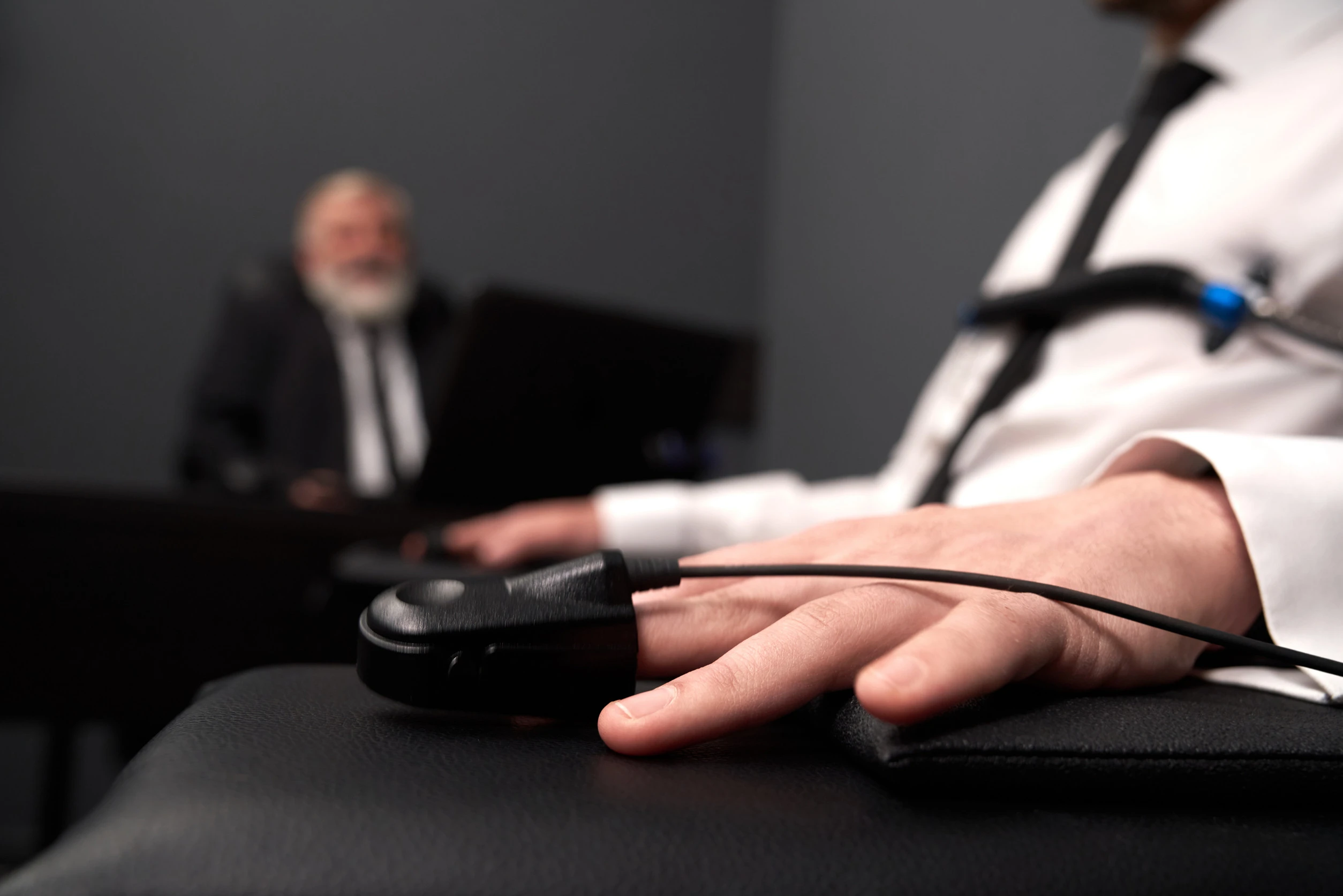
In legal proceedings, interpreters play a role in making sure non-English-speaking witnesses can communicate clearly and accurately. However, their responsibility extends beyond simply translating words. They must also adhere to strict ethical standards that prioritize impartiality and accuracy.
Here’s a look at how interpreters maintain neutrality during witness testimony.
The Interpreter’s Primary Role
At the heart of every legal interpretation is the duty to remain neutral. Interpreters are expected to translate witness testimony without adding, altering, or omitting anything from the original statement. This means relaying each word, expression, and tone exactly as spoken—without personal bias or influence.
Interpreters cannot allow their personal beliefs or feelings to color the message. Even if they disagree with the content of the testimony or feel emotionally moved, they must confirm that the testimony is accurately and neutrally conveyed to the court. Their role is to act solely as a conduit between languages, preserving the integrity of the legal process.
Rigorous Training in Legal Ethics and Objectivity
Interpreters don’t simply translate language—they also adhere to a strict code of ethics, learned through specific legal interpreter training. These courses not only teach technical language skills but emphasize how to navigate the challenges of maintaining impartiality in high-pressure settings like courtrooms.
A fundamental aspect of this training is recognizing when an interpreter’s objectivity may be compromised. If they feel any conflict of interest, they are bound by ethical guidelines to step aside and avoid further involvement in the testimony.
Managing Nonverbal Communication
Witness testimony often involves subtle emotional context, conveyed through facial expressions, gestures, and tone. While interpreters are aware of these cues, their task is to translate only the spoken words.
This means that an interpreter must be able to detect when nonverbal communication may be impacting the message but must restrain from incorporating their interpretation of body language or facial expressions into the testimony. The key is to focus purely on words, relaying them in a neutral tone without altering the original intent, even if the witness’s physical state suggests heightened emotion.
Withstanding the Pressure of Cross-Examination
Cross-examinations can be intense, with lawyers attempting to pressure or provoke witnesses into contradictory statements. In these moments, the interpreter must maintain absolute impartiality. The translator must stay composed and deliver the exact wording of the questions and responses—free from any emotional involvement or influence.
Interpreters must also avoid showing any support for the parties involved in the case. Despite the emotional climate, their goal is to maintain neutrality in all exchanges without any bias showing through their interpretations of testimony, which can be crucial to ensuring a fair legal process.
Ethical Duty to Uphold Confidentiality
Interpreters in the legal system also have an ethical duty to maintain confidentiality. This responsibility extends beyond the court proceedings to any private conversations or information they may encounter. They are prohibited from revealing any sensitive information they become aware of during the translation process.
Confidentiality also contributes to maintaining the integrity of testimony. Interpreters make sure that no outside factors, including conversations or personal opinions, influence the accuracy or impartiality of the statements being delivered.
At Legal Media Experts, we connect you with certified interpreters who understand the complexities of courtroom ethics. Contact us today for impartial and professional translation services you can rely on.
Why Professional Legal Videography Matters for Trial Success
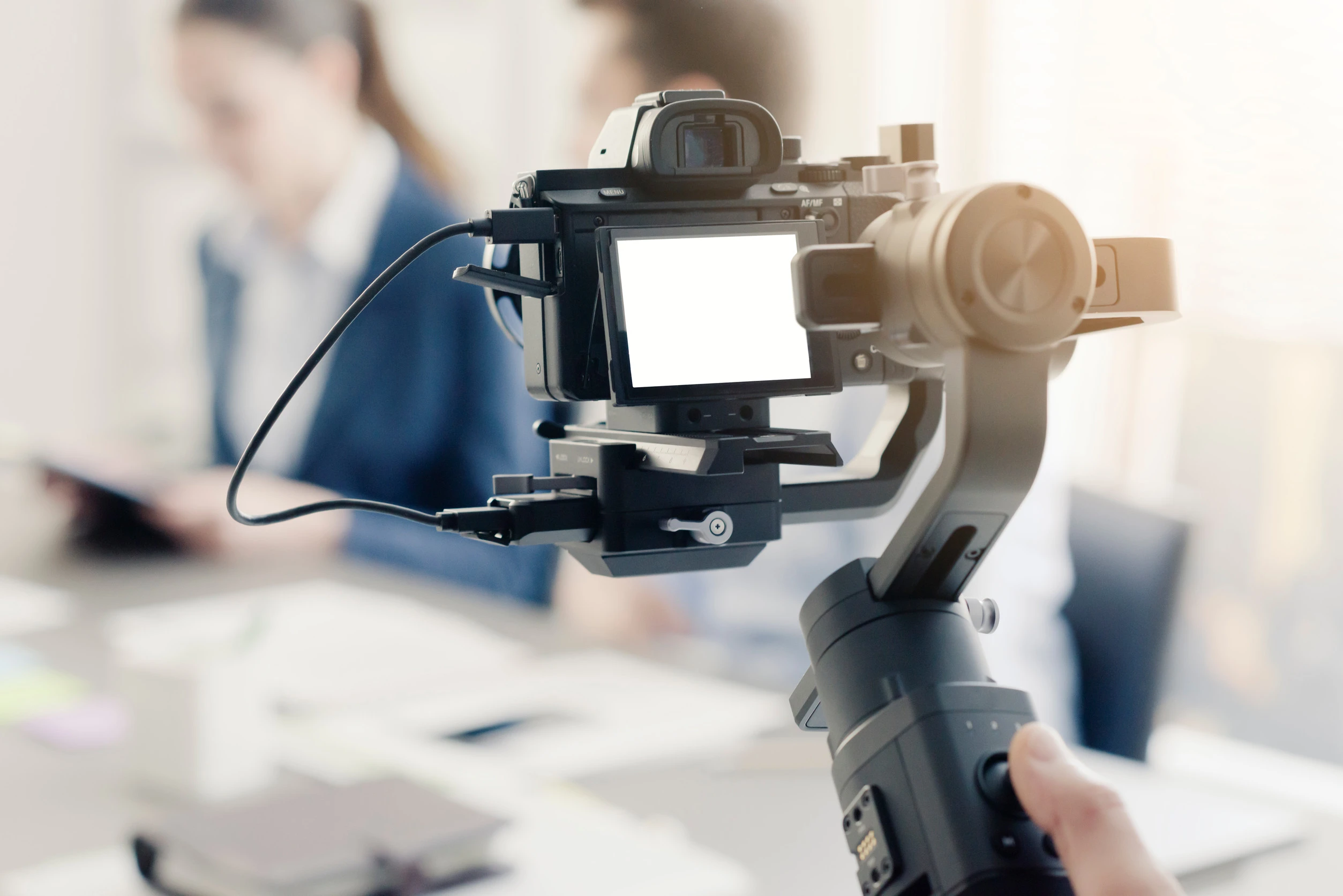
In complex legal cases, the way evidence is presented can often be the difference between winning and losing. One of the most effective tools attorneys can use is high-quality legal videography. Professional video evidence does more than document facts—it can communicate a compelling story, potentially swaying a jury’s decision.
From deposition testimony to trial presentations, legal videography plays an essential role in shaping trial strategies.
Video Evidence Captures Testimonial Nuances
Witness testimony is central to many cases, but nuances like tone of voice, body language, facial expressions, and pauses in conversation can provide vital context. While transcripts may miss these subtle details, video allows jurors and judges to see and hear witnesses directly, providing a more accurate and emotionally engaging portrayal.
Professional videographers guarantee high-quality video and audio, capturing these nuances even in challenging conditions. This allows the jury to perceive the credibility and sincerity of a witness, a crucial factor when evaluating testimony.
Deposition Recordings for the Testimony
Depositions are a key part of trial preparation, capturing critical witness statements before the trial begins. If a witness becomes unavailable during the trial, a video-recorded deposition confirms that their testimony remains intact and available for review.
A professional legal videographer brings the expertise to record clear and precise testimony, avoiding pitfalls like poor lighting or sound quality. These high-quality recordings maintain the integrity of the deposition, making sure all important details are preserved for use in court.
Creating Impactful Trial Presentations
Video can be one of the most powerful formats in trial presentations, as jurors tend to retain visual information more effectively than text. Whether presenting expert testimony or demonstrating how an incident unfolded, video helps to bring facts to life in a more impactful and engaging manner.
Professional legal videographers can craft presentations that visually communicate complex events or concepts, such as accident reconstructions or intricate expert explanations. This better visual communication helps jurors understand key elements of the case and retain the information they need to make decisions.
Optimizing Cross-Examination with Video
If a witness’s testimony is inconsistent, attorneys can use video to highlight discrepancies between prior depositions and current statements. The visual comparison makes contradictions more obvious, giving the attorney a powerful tool to expose falsehoods.
Video footage also helps streamline cross-examination by quickly pointing out key issues without lengthy arguments. This time-efficient approach makes sure that critical evidence is delivered clearly and concisely, helping maintain the trial’s focus.
Why Hire a Professional Videographer?
It may seem tempting to hire a non-specialized videographer at a lower cost, but the specific demands of legal videography require a high level of expertise. Legal videographers understand courtroom requirements, including protocols, confidentiality, and compliance with evidentiary standards. Even minor mistakes, such as improper lighting or poor sound quality, can jeopardize the integrity of the evidence.
At Legal Media Experts, we offer professional videography services that positively contribute to your trial strategy, transforming ordinary evidence into compelling visual testimony. Contact us today to better your trial presentations and make sure your video evidence makes a powerful impression.
How to Deal with Zoom Depositions

In recent years, Zoom depositions have transformed how legal proceedings are conducted. While Zoom provides an efficient platform, there are nuanced strategies to navigate these depositions effectively.
Here’s an in-depth look at how to handle Zoom depositions with precision and professionalism.
Mastering the Zoom Interface
Beyond basic functionalities, familiarize yourself with advanced features such as breakout rooms, which can be beneficial for private discussions between attorneys and clients without the witness present.
Moreover, the annotation tool allows for real-time marking of documents shared during the deposition. This feature is invaluable for highlighting key sections of a document, which can improve clarity during discussions. Additionally, ensure your Zoom application is updated to the latest version to use the most current features and security updates.
Pre-Deposition Technical Checks
Technical issues during depositions can lead to misunderstandings or delays. Conduct a thorough pre-deposition check to prevent potential problems:
- Internet Speed Test: Aim for a minimum upload and download speed of 3 Mbps. Use services like Speedtest.net to check your connection quality.
- Hardware Check: Make sure your microphone, camera, and speakers are functioning correctly. Use a USB microphone for clearer audio, and test your camera’s positioning and focus so you are well-lit and visible.
- Backup Options: Have a contingency plan, such as a second device (laptop or tablet) ready to connect if your primary device fails. Additionally, familiarize yourself with dial-in options for Zoom in case your internet connection fails.
Strategizing Document Presentation
Start by organizing exhibits digitally; create a well-structured folder system on your desktop for easy access during the deposition. Label documents clearly with relevant identifiers for quick retrieval. Utilize the screen share feature to share documents during the deposition.
If physical exhibits need to be displayed, consider using a green screen for a virtual background that maintains professionalism, especially if your environment cannot be controlled.
Engaging Witnesses Effectively
Maintaining the witness’s focus and engagement during a Zoom deposition can be challenging. One effective strategy is to regularly engage the witness by addressing them by name, encouraging them to elaborate on their responses, and letting them voice any questions.
Additionally, being aware of body language is important; use positive body language to convey attentiveness by leaning slightly forward, nodding, and maintaining eye contact with the camera, which can encourage the witness to be more forthcoming. It is also beneficial to allow for brief pauses after asking questions, giving the witness time to formulate their response and preventing interruptions due to potential delays in audio or video transmission.
Addressing Legal and Ethical Considerations
Legal and ethical considerations in virtual depositions differ from traditional formats. Here are critical points to navigate:
- Confidentiality Measures: Check that all participants are aware of and comply with confidentiality agreements. Secure the Zoom meeting with password protection and consider using a waiting room to control access.
- Record Keeping: Familiarize yourself with your jurisdiction’s rules regarding recording depositions. Many states require all parties to consent to recordings, while others have specific regulations about the format and retention of electronic records.
- Informed Consent: Verify that all participants understand the deposition’s virtual format and its implications. This includes disclosing the use of any digital tools or applications during the proceedings.
- Compliance with Local Rules: Each jurisdiction has its own regulations regarding depositions. Familiarize yourself with local rules to ensure compliance and avoid potential sanctions.
At Legal Media Experts, we offer cutting-edge solutions and support for your deposition needs so that your legal proceedings are efficient and effective. Contact us today to learn more!
How to Make an Accurate Legal Record in Legal Proceedings

Creating an accurate legal record management system in legal proceedings requires a systematic approach that integrates advanced technologies, specialized skills, and rigorous methodologies. The integrity of the legal process hinges on how effectively the details of a case are captured and maintained.
Below are specific strategies to help maintain the accuracy of legal records.
Leverage Advanced Court Reporting Technology
Investing in sophisticated court reporting technology is necessary for capturing every detail of legal proceedings. Digital court reporters use high-definition audio and video recording equipment to capture sound from multiple directions, significantly reducing the chances of missing important statements. Tools like real-time reporting allow attorneys and judges to view transcripts as they are created, facilitating immediate corrections and clarifications.
Additionally, adopting Computer-Aided Transcription (CAT) systems can improve the transcription process. These systems allow instant formatting and the insertion of legal terms and phrases that may be unique to specific cases so that all terminology is accurate and consistent.
Employ Specialized Legal Transcribers
When it comes to transcription, the importance of specialized legal transcribers cannot be overstated. These professionals have extensive training in legal language and are familiar with courtroom protocols, reducing the risk of errors. They should also be adept at recognizing nuances in dialogue, such as changes in tone or inflection, which could affect the interpretation of testimonies. Utilizing a transcription service that offers specialized legal transcriptionists ensures the integrity of the record is upheld.
In cases involving technical language or expert testimony, it can be beneficial to have the expert present during the transcription process to clarify terms or concepts in the moment. This collaborative effort can help to avoid misunderstandings and misstatements in the record.
Implement Robust Document Management Systems
A DMS allows for the systematic organization, retrieval, and storage of documents so that all materials are current and accessible. Best practices for a DMS include:
- Version Control: Keeping track of all document versions prevents confusion over which is the most recent and relevant.
- Indexing: Using metadata to index documents helps with quick searches and retrievals, facilitating easier access during legal proceedings.
- Access Controls: Limiting access to sensitive documents helps maintain confidentiality and integrity.
By establishing a DMS tailored to the needs of legal proceedings, law firms can make sure that all documentation is consistently accurate and readily available for review.
Regular Quality Control Checks
Implementing regular audits of recorded and transcribed materials can help identify discrepancies and areas for improvement. These audits should focus on:
- Accuracy Verification: Cross-referencing transcripts with audio recordings so that all spoken words are accurately captured.
- Content Review: Having legal professionals review documents for legal compliance and accuracy before they are filed in court.
- Error Correction Protocols: Establishing clear protocols for correcting errors, including a timeline for corrections and how to communicate them to all relevant parties.
By routinely conducting quality control checks, law firms can proactively address issues that may affect the accuracy of their records.
Secure Long-Term Preservation of Legal Records
The preservation of legal records for future reference involves using secure storage solutions, both physical and digital. Archiving records in formats that comply with legal standards, such as PDF/A for digital files, can keep documents unaltered over time.
Implementing a retention policy that outlines how long different types of records should be kept, along with procedures for secure disposal, further protects sensitive information and maintains the integrity of legal proceedings.
At Legal Media Experts, we provide comprehensive services in legal record management, ensuring that your case documentation meets the highest standards of accuracy and integrity. Contact us today to learn more!
How to Choose the Right Platform for Remote Depositions.

Remote depositions are now a key part of legal practice, especially in North Carolina, where courts and professionals have increasingly used virtual platforms since COVID-19. The right platform is important for smooth proceedings, quality recordings, and legal compliance.
Here’s a guide to help you select the best platform for your needs.
Assess Compatibility with Legal Standards
The chosen platform must comply with the Federal Rules of Civil Procedure (FRCP) and the North Carolina Rules of Civil Procedure. The platform should support features like secure video conferencing, screen sharing, and reliable recording. It should enable proper identification of all participants, allow remote swearing-in of witnesses, and provide a reliable means of capturing the deposition for legal records.
Prioritize Security and Data Privacy
Handling legal documents, testimonies, and sensitive information requires strict security measures. The platform should offer encryption for video and audio to prevent unauthorized access. For data security, look for platforms that comply with legal industry standards like HIPAA or ISO 27001 certification.
The platform should provide secure storage for deposition recordings with access controls to limit who can view or download them. Also, verify that the platform’s privacy policies prevent data sharing without consent.
Emphasize Ease of Use
A user-friendly platform will help streamline remote depositions. The legal team and deponents should find it easy to navigate, as complicated platforms can cause delays, especially for less tech-savvy participants. To reduce confusion and speed up the process, opt for a platform that requires minimal setup, ideally with one-click access via email links.
Check for Reliable Video and Audio Quality
Poor quality can lead to missed details or transcript errors, impacting the case outcome. The platform must support high-resolution video and clear audio, even in low-bandwidth situations. Select a platform with noise-canceling features to minimize external distractions. Test its audio and video capabilities beforehand to confirm clarity and avoid disruptions.
Evaluate Recording and Transcription Features
Any remote deposition platform must have a reliable recording function. It should capture video, audio, and shared documents to create a complete record. Some platforms also offer real-time transcription services that are useful for immediate review and cross-examination preparation.
Both local and cloud storage options for recordings should be available, and the platform should allow easy downloading or sharing of files with court reporters or other parties.
Review Cost and Scalability
Basic functionality might be free, but advanced features like secure storage, real-time transcription, or high-quality video often come with a fee. Compare the platform’s cost with your case needs. A subscription model may be more economical for frequent remote depositions, while a pay-per-session model could be better for occasional use.
Check that the platform can accommodate larger groups or multiple depositions if necessary. Features like breakout rooms for private attorney discussions can benefit complex cases.
Verify Technical Support Availability
Choose a platform with reliable customer support, including live assistance during the deposition. Some platforms offer dedicated tech support for legal professionals to address real-time issues. Before scheduling, review the platform’s support options, such as live chat, phone, or email, and confirm it offers 24/7 assistance, especially for different time zones.
Ready to secure a seamless and effective remote deposition in North Carolina? Our team at Legal Media Experts can help you find the perfect platform for your needs and make your next deposition a success. Contact us to learn more!
Understanding the Different Types of Court Reporting Services
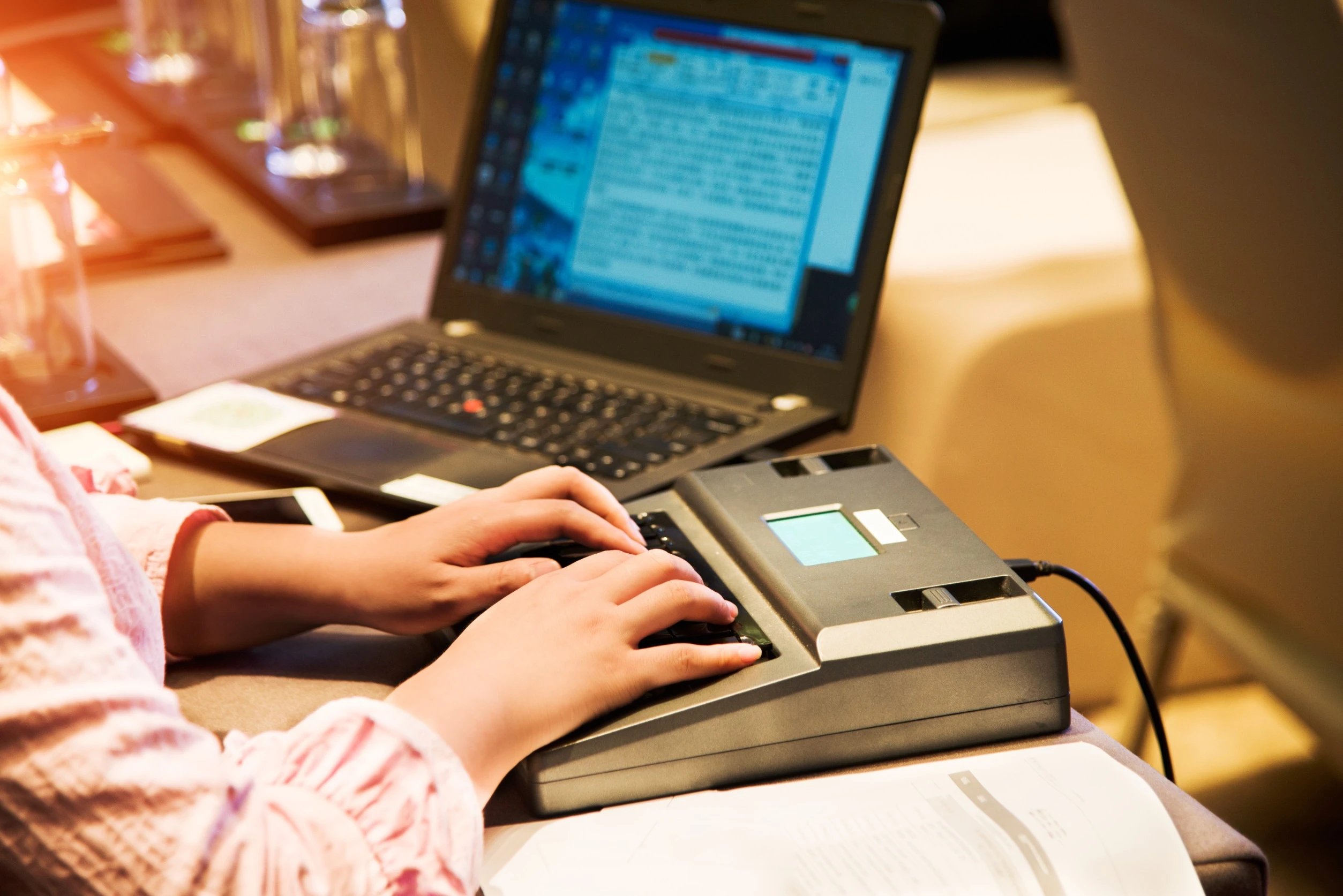
Court reporting services play an important role in legal proceedings by maintaining accurate, real-time documentation of verbal exchanges during depositions, hearings, and trials. In North Carolina, various court reporting services cater to the legal community, each serving a specific purpose in the judicial process. Understanding the available types can help attorneys and legal professionals select the right service.
Traditional Court Reporting
Often termed stenographic reporting, traditional court reporting remains the most widely recognized approach. Certified court reporters use specialized stenotype machines to transcribe spoken words into shorthand at speeds of up to 225 words per minute.
This method offers the high accuracy and reliability demanded by legal proceedings. The stenographer then translates these notes into a verbatim transcript, which becomes part of the official court record. Professionals prefer this reporting method for complex litigation, trials, and depositions requiring immediate precision.
Real-Time Court Reporting
Taking stenographic transcription to the next level, real-time court reporting provides immediate access to the transcript during proceedings. The reporter instantly converts shorthand into readable text and displays it on monitors for attorneys, judges, and other participants.
This allows legal professionals to follow proceedings closely, take notes, and prepare cross-examinations or arguments on the spot. Real-time court reporting suits high-stakes cases and situations requiring a quick testimony review.
Electronic Court Reporting
In North Carolina, electronic court reporting (ECR) is popular in areas with a shortage of stenographers. This method involves using high-quality audio recording equipment to capture courtroom proceedings. Human transcribers or voice-recognition software later transcribe the recordings.
Electronic court reporting is usually more cost effective than traditional stenography but lacks real-time interaction and immediate transcript generation. Smaller courts or less complex cases often use this method. The accuracy of the final transcript relies on the recording quality and the transcriber’s skill.
Video Court Reporting
In this method of court reporting, a legal videographer records the proceedings on video while a stenographer provides the written transcript. Legal teams use this dual-service option for cases where depositions and witness testimonies rely on visual cues such as facial expressions and body language.
Attorneys use video recordings in court to present testimony when a witness is unavailable for live testimony or when visual evidence of demeanor is required.
Remote Court Reporting
The demand for remote court reporting has increased dramatically, especially after the COVID-19 pandemic moved many legal proceedings online. Remote reporting allows stenographers and legal teams to participate in hearings and depositions from different locations using video conferencing software like Zoom or Microsoft Teams.
This service is useful for out-of-state attorneys or cases where physical presence in court is impractical. Reliable technology, strong internet connections, and clear communication among all parties are necessary for this service.
Certified Transcripts and Additional Services
Court reporting services in North Carolina provide certified transcripts for use in appeals, legal filings, and case reviews. They may also offer transcript indexing, summary reporting, and document retrieval to assist attorneys during litigation.
Simplify your court reporting with the help of our team at Legal Media Experts. We offer accurate and reliable reporting services to meet your needs. Contact us today to learn more!
Key Differences and Considerations in Legal Videography for Criminal and Civil Cases

Legal videography is a major tool in the judicial process, serving to record and preserve crucial information for both criminal and civil cases. While the core objective remains the same—to provide a clear and accurate account of events—the way this is achieved can vary significantly depending on the type of case at hand.
Purpose and Focus
In criminal cases, the primary focus of legal videography is to document evidence that can support or undermine the charges brought against the accused. This might include video recordings of crime scenes, witness depositions, or interrogations. The goal is often to provide a clear and accurate depiction of the events in question, which can be pivotal in establishing the defendant’s guilt or innocence.
On the other hand, civil cases typically involve disputes between individuals or organizations over issues like contracts, property, or personal injury. Legal videography may focus more on documenting evidence related to the claims and defenses presented in these cases. This could include recording expert testimonies, accident scenes, or the conditions of property involved in the dispute. The aim is to provide a comprehensive view that supports the civil claim or defense.
Types of Evidence Recorded
Criminal case videography often requires capturing sensitive and potentially distressing content. Videographers must navigate the challenges of recording under high-stress conditions while documenting all evidence accurately. This might involve detailed recordings of crime scenes, including physical evidence, environmental conditions, and even the demeanor of witnesses.
In civil cases, the evidence recorded might be less dramatic but equally important. Videographers focus on documenting property conditions, workplace environments, or physical injuries. For instance, in personal injury cases, capturing the exact state of the injury or the environment where the incident occurred to help establish liability.
Legal and Ethical Considerations
Both criminal and civil case videography require adherence to strict legal and ethical standards. However, the nature of these standards can vary. In criminal cases, there are often heightened concerns about privacy and the potential impact of video evidence on the accused. Videographers must ensure that their recordings do not violate the individuals’ rights and are handled with the utmost sensitivity.
While privacy concerns are still relevant in civil cases, the focus is more on the accuracy and comprehensiveness of the evidence. The professionals must ensure that their recordings are clear and detailed but also impartial and unbiased, providing a fair representation of the evidence presented.
Technology and Techniques
The technology used in legal videography can differ based on the requirements of the case. For criminal cases, high-definition cameras and advanced recording equipment may be necessary to capture minute details and bring clarity to the evidence. Additionally, body cameras or other specialized equipment might record real-time interactions.
In civil cases, the technology might be more focused on capturing and documenting static evidence, such as property conditions or physical injuries. While high-definition cameras are still important, the emphasis might be on using equipment that can easily capture wide angles or close-up details depending on the evidence being recorded.
The Role of Legal Videographers
For criminal cases, legal videographers need to be prepared for the intense and often sensitive nature of the evidence. In civil cases, the focus is on thorough documentation and clarity to support the claims or defenses in question. Both scenarios require professionalism and attention to detail.
Ready to improve your case with precise and reliable legal videography? At Legal Media Experts Ltd, we make sure your evidence is captured with clarity and professionalism. Contact us to help you make your case stronger!