Month: June 2025
Trial Presentation Tips
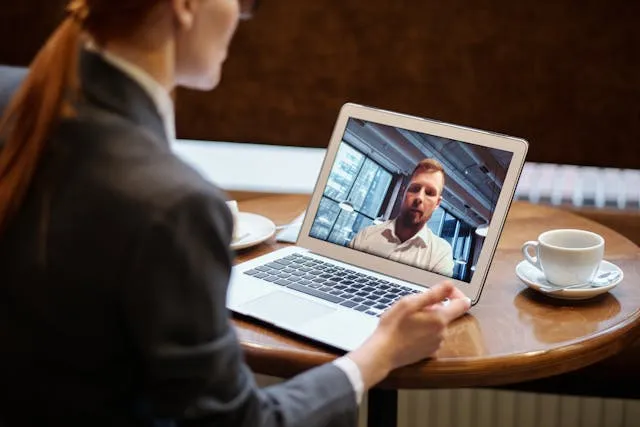
How you present your case matters just as much as what you’re presenting. While most focus on storytelling, trial presentations should also be about strategic communication, visual clarity, and knowing how to hold the courtroom’s attention. A poorly executed presentation can lead to confusion, disengagement, and a missed opportunity to advocate for your client effectively.
Let’s look at practical, high-impact tips to help boost the success of your trial presentations and keep your case focused, persuasive, and sharp.
Start With a Clear Game Plan
A solid presentation begins well before the trial starts. You need to know the flow of your case, what evidence supports each argument, and how your visuals tie into your strategy. It’s necessary to outline the structure of your argument, from opening to closing. You should also know where your key exhibits come in and how each witness supports the story you’re telling.
A good strategy is to prepare for objections, technical hiccups, and transitions. Have backups ready to help you tide through any technical issues.
Make Your Visuals Work Harder
Visuals are powerful when they’re clear, intentional, and well-timed. Jurors don’t want to be overwhelmed with information. They want help understanding the story you’re telling. Slides filled with dense text or overly complex graphics can do more harm than good.
Use visuals to highlight key points, not to repeat everything you’re saying. Diagrams, timelines, and annotated documents should add value, not compete for attention. Stick to a clean layout, limit text, and use visuals to guide jurors through complicated facts—like financial data, medical terms, or technical processes.
Understand Your Tech
Technology is central to modern trial presentations. Whether you’re in a traditional courtroom, a hybrid setup, or presenting remotely, glitches can derail even the best-prepared argument. You need to be as comfortable with your tech setup as you are with your cross-examination. Make sure your files are organized and accessible in the right format, and always have redundancies in place.
You can also engage a trial presentation specialist to manage the technology and create a flawless presentation.
Focus on Clear Communications
Your presentation should be built around clarity, not legalese. Avoid jargon and use simple terms to explain complicated ideas. Your focus should be on how to explain a key point to someone outside the legal field. This will help keep the jury with you at every step.
It’s necessary to pace yourself and not rush through exhibits or arguments. Using pauses to let information land gives your points more weight.
Be Ready to Pivot
Even with preparation, trials are unpredictable. A witness might contradict themselves, or a juror might react unexpectedly. The key is to stay grounded in your case’s core message. If something changes, don’t panic. Adjust your delivery, but keep your story intact. A flexible presenter who can adapt in real time often comes across as more credible and in command.
Ask for Professional Help When Needed
Trial presentation is a specialized skill. While attorneys focus on legal strategy, a professional trial media team can handle the technical execution. They know how to format evidence, build custom visuals, and manage courtroom displays in real-time.
If your case is complex or high-profile, consider partnering with a trial presentation provider. Their experience can make the difference between a smooth, focused delivery and a presentation that feels disjointed or cluttered.
Preparing for your next trial presentation? Our team at Legal Media Experts can offer assistance. We create high-quality videos and multimedia presentations to boost the impact of your arguments. Our team also provides real-time transcripts of courtroom proceedings, allowing you to quickly access and review testimony. Contact us today to book an appointment!
Witness Body Language in a Remote Deposition

Remote depositions have become standard in today’s legal environment. While the format has changed, the expectations haven’t. Witnesses are still expected to present themselves clearly, credibly, and professionally—even through a screen. One factor that often gets overlooked in virtual settings is body language. It plays a subtle but powerful role in shaping how a witness is perceived.
Here’s how body language impacts witness effectiveness in remote depositions and what legal teams should keep in mind.
Why Body Language Still Matters?
In an in-person deposition, nonverbal cues like posture, eye contact, and hand gestures contribute significantly to how a witness is interpreted. Jurors, attorneys, and even court reporters pick up on these cues. A witness who fidgets constantly or avoids eye contact might be perceived as nervous or evasive. On the other hand, someone who sits up straight and maintains a calm, steady tone can come across as confident and trustworthy.
Challenges in Interpreting Body Language Remotely
In remote settings, the interpretation of body language can be more challenging. Here are some of the issues that could arise:
- Limited Field of View: Video cameras often capture only a limited portion of a witness’s body, making it difficult to observe full body posture and leg movements.
- Video Quality and Lag: Poor video quality or lag can distort facial expressions and make it challenging to perceive subtle cues.
- Lack of Physical Presence: The absence of physical presence can hinder the ability to establish rapport and accurately assess a witness’s demeanor.
- Environmental Factors: Distractions in the witness’s environment can affect their behavior and make it difficult to focus on their nonverbal cues.
This can lead to misunderstandings, misinterpretations, and a diminished ability to assess a witness’s demeanor.
Strategies for Enhancing Witness Effectiveness
To mitigate the challenges and maximize witness effectiveness in remote depositions, you can employ several strategies:
- Witness Preparation: Thoroughly prepare witnesses on how to present themselves effectively in a remote setting. Focus on the importance of maintaining eye contact, sitting upright, and using natural gestures.
- Technology Optimization: Both the witness and the legal team should have access to high-quality video equipment and a stable internet connection. Conduct technical checks before the deposition to reduce disruptions during the deposition.
- Camera Placement and Framing: Advise witnesses on optimal camera placement and framing to make sure that their face and upper body are clearly visible.
- Environmental Control: Instruct witnesses to conduct the deposition in a quiet, distraction-free environment.
- Active Observation: Legal professionals should actively observe the witness’s body language throughout the deposition, paying close attention to any inconsistencies or changes in demeanor.
The Role of Legal Media Expert
At Legal Media Expert, we understand the role of effective communication in legal proceedings, including the nuances of body language in remote settings. Our experienced videographers can offer high-quality video recordings that capture essential nonverbal cues. We can also provide technical assistance to improve the stability of the video connection. We offer screen-share tools and in-court reporting services to facilitate the secure and efficient sharing of exhibits.
At Legal Media Experts, we understand how body language can shape witness effectiveness in remote depositions. We are aware of the challenges in interpreting nonverbal cues remotely and take steps to optimize communication and improve witness credibility. Contact us today to book a consultation!