Month: January 2026
Professional Court Reporters South Carolina: What Should Clients Know Before Hiring?

When legal accuracy matters, choosing the right professional court reporters in South Carolina can protect your case, timeline, and credibility. Every word spoken in a deposition or courtroom must be captured precisely—there’s no room for error.
Legal Media Experts provides certified court reporting and deposition services across South Carolina, helping attorneys and legal teams stay compliant, confident, and prepared.
Why Are Professional Court Reporters Essential in South Carolina?
Court procedures, local rules, and reporting standards vary across South Carolina counties. A professional reporter ensures:
- Accurate, court-ready transcripts
- Compliance with SC legal standards
- Reduced disputes over testimony
- Reliable documentation for appeals or settlements
According to the National Court Reporters Association (NCRA), certified court reporters significantly reduce transcript errors and post-deposition corrections.
What Services Do Professional Court Reporters in South Carolina Provide?
Core Court Reporting Services
- In-person court reporting
- Real-time transcription
- Certified transcript delivery
Deposition Services South Carolina
- Stenographic depositions
- Video-recorded depositions
- Multi-party coordination
Remote & Technology-Driven Services
- Secure remote depositions
- Legal videography
- Digital transcript archiving
Legal Media Experts combines technology with experienced professionals to deliver dependable results statewide.
How Do Local Court Reporting Experts Reduce Legal Risk?
Hiring local experts matters more than many realize.
Local South Carolina court reporters provide:
- Knowledge of county-specific procedures
- Faster scheduling and response times
- Familiarity with SC compliance requirements
- Smooth coordination with courts and attorneys
Real example:
A multi-county deposition handled remotely by Legal Media Experts eliminated travel delays and delivered certified transcripts within 24 hours—saving days of preparation time.
What Should Clients Prepare Before Scheduling Deposition Services?
Preparation improves efficiency and accuracy.
Before your deposition:
- Confirm format (remote or in-person)
- Test video/audio technology
- Share exhibits in advance
- Verify interpreter needs, if any
Working with experienced professionals helps eliminate last-minute issues.
How Much Do Court Reporting Services Cost in South Carolina?
Pricing depends on:
- Length and complexity of proceedings
- In-person vs. remote format
- Videography or interpretation needs
- Expedited transcript requests
Value insight:
Professional reporting reduces disputes, revisions, and costly delays—saving time and legal expenses long-term.
Internal Links:
External Link:
Why Choose Legal Media Experts?
Clients trust Legal Media Experts because we deliver:
- Certified, experienced court reporters
- Statewide South Carolina coverage
- Accurate, timely transcripts
- Advanced reporting technology
- Clear communication and transparency
Our mission is simple: capture every word accurately so your case stays strong.
How Much Does Professional Court Reporting Cost in South Carolina?
Cost Factors:
- Case size & length
- Remote vs in-person
- Prep & setup requirements
- Special tech or videography needs
Value Note: Investing in pros saves time, stress, and future legal headaches.
📞 Lock Your Case With Precision
Handle your legal proceedings with confidence! Legal Media Experts provides accurate court reporting, depositions, and legal videography across South Carolina.
✅ Professional Court Reporting South Carolina
✅ Deposition Services South Carolina
✅ Remote Deposition & Legal Videography
✅ Interpreter & Translator Services
👉 Call us today at +1 800-446-1387 to schedule your consultation and make sure every word counts in your case!
Maintenance / Care / Efficiency Tips
- Keep transcripts backed up
- Test video/audio tech ahead of time
- Ensure all parties know reporting rules
- Review depositions early to catch errors
📍 Service Areas
Serving Charleston, Columbia, Greenville, and surrounding counties, Legal Media Experts provides professional court reporting, deposition services, legal videography, and remote deposition solutions across the entire state of South Carolina.
📊 Court Reporting Services Overview
| Service | Method | Use Case |
| Professional Court Reporting | In-person / Real-time | Trials & hearings |
| Deposition Services SC | Stenographer / Video | Witness statements |
| Remote Deposition Services | Secure video | Distant or multi-state cases |
| Legal Videography | HD video | Courtroom & depositions |
| Legal Transcription Services | Audio → Text | Summaries & records |
| Interpreter & Translator | On-site / Remote | Multilingual depositions |
Key Takeaways
⚖️ Trusted Professional Court Reporters South Carolina
🎥 Deposition & legal videography services
🖥️ Secure remote depositions
📍 Local SC expertise
✅ Certified, court-ready transcripts
Quick Summary :
Legal Media Experts provides professional court reporters in South Carolina, delivering accurate, certified transcripts for court proceedings and depositions. Services include court reporting, deposition services, remote depositions, legal videography, and interpreter support. Local expertise ensures compliance with South Carolina court standards, faster turnaround times, and reduced legal risk. By combining experienced reporters with secure technology, Legal Media Experts helps attorneys and legal teams maintain accuracy, efficiency, and confidence throughout the legal process.
FAQs – Professional Court Reporters in South Carolina
What does a professional court reporter do?
Captures every spoken word in depositions, trials, and arbitration accurately.
Can I use remote deposition services?
Yes, secure video recordings are fully valid for court use.
Are your reporters certified?
Yes, certified and trained to meet South Carolina standards.
Why hire local SC reporters?
They know the local courts, laws, and nuances for smooth proceedings.
Chain of Custody in Legal Media: Best Practices for Handling, Storing, and Authenticating Digital Evidence

In modern litigation, digital evidence plays a central role in establishing facts, supporting testimony, and influencing outcomes. From deposition videos and audio recordings to surveillance footage and digital exhibits, the integrity of this evidence is critical. Maintaining a clear and defensible chain of custody is crucial to ensure that digital media remains admissible, credible, and immune to challenges throughout the legal process.
Understanding Chain of Custody in Legal Media
Chain of custody refers to the documented process that tracks the handling of evidence from the moment it is created or collected through storage, transfer, and presentation in court. For legal media, this includes video recordings, audio files, digital transcripts, photographs, and electronically stored information. Any gap or inconsistency in this process can raise questions about authenticity, alteration, or mishandling—potentially weakening a case.
Unlike physical evidence, digital media can be copied, edited, or transferred with ease, making strict protocols even more important. Courts increasingly scrutinize how digital evidence is managed, placing a higher burden on legal teams and service providers to demonstrate reliability.
Best Practices for Handling Digital Evidence
Proper chain of custody begins at the point of capture. Legal media should be recorded using professional-grade equipment and standardized procedures to make sure accuracy and consistency. Immediately after recording, files should be clearly labeled with identifying information such as date, time, case number, and participants.
Access to original files should be limited, and any handling or duplication must be logged. Creating a verified master file and working only from copies helps preserve the integrity of the original evidence. Detailed documentation of who accessed the media, when it was accessed, and for what purpose is important to maintaining transparency and accountability.
Secure Storage and Controlled Access
Secure storage is a cornerstone of effective chain-of-custody management. Digital legal media should be stored in encrypted systems with role-based access controls. Cloud-based solutions can be effective when they meet industry security standards and provide detailed audit trails.
Regular backups, redundancy protocols, and disaster recovery plans further protect evidence from loss or corruption. Just as important is ensuring that outdated or unauthorized copies are not circulating outside approved systems, which could expose evidence to tampering claims.
Authenticating Digital Evidence for Court
Authentication is the process of proving that digital evidence is what it claims to be and has not been altered. Courts often require testimony or documentation demonstrating how the media was captured, stored, and preserved. Metadata, file hashes, timestamps, and audit logs play a crucial role in verifying authenticity.
When legal media is professionally managed, these elements are consistently documented and easily accessible. This level of preparedness not only supports admissibility but also strengthens credibility when evidence is challenged during hearings or trial.
The Role of Professional Legal Media Providers
Managing chain of custody for digital evidence is a complex responsibility that demands technical expertise and procedural rigor. Professional legal media providers bring standardized workflows, secure infrastructure, and experienced personnel to the process. Their involvement reduces risk, makes sure compliance with legal standards, and provides peace of mind for attorneys handling high-stakes litigation.
As digital evidence continues to expand in scope and importance, a well-maintained chain of custody is no longer optional—it is a fundamental component of effective legal strategy.
At Legal Media Experts, we provide trusted, end-to-end legal media services designed to protect the integrity of your digital evidence. From secure handling and storage to defensible authentication practices, our experienced team makes sure your chain of custody is accurate, reliable, and court-ready. Contact us today to learn how our professional legal media solutions can protect your evidence and strengthen your case.
How Synchronized Video-Transcript Technology Strengthens Appellate Review and Case Strategy

In today’s litigation landscape, accuracy, efficiency, and clarity are critical—especially when cases move beyond trial into the appellate phase. One technology that has quietly become a strategic advantage for attorneys is synchronized video-transcript technology. By aligning deposition or trial video with the corresponding written transcript, legal teams gain a powerful tool that improves appellate review, strengthens case strategy, and improves persuasive impact.
Improving Accuracy and Context in Appellate Review
Appellate courts rely heavily on the record. While written transcripts have long been the backbone of appellate review, they cannot fully capture tone, hesitation, body language, or emphasis—elements that often influence credibility. Synchronized video-transcript technology allows attorneys to instantly access the exact moment in the video where a statement appears in the transcript, preserving context that might otherwise be lost.
This is particularly valuable when appellate arguments hinge on witness credibility or disputed testimony. Judges reviewing synced video can observe how a statement was delivered, not just what was said, leading to a clearer understanding of the record and reducing the risk of misinterpretation.
Streamlining Legal Research and Issue Identification
Time efficiency is another major advantage. Instead of manually searching through hours of video or hundreds of transcript pages, legal teams can keyword-search the transcript and immediately jump to the corresponding video segment. This streamlined workflow accelerates issue spotting, helps identify inconsistencies in testimony, and allows attorneys to quickly isolate critical moments that support appellate arguments.
For complex cases involving multiple witnesses or lengthy proceedings, synchronized technology significantly reduces preparation time while improving precision—an essential benefit when appellate deadlines are tight.
Strengthening Case Strategy Beyond Appeals
The value of synchronized video-transcript technology extends well beyond appellate review. During trial preparation, attorneys can use synced clips to refine cross-examinations, prepare witnesses, and anticipate opposing arguments. In settlement negotiations or mediation, carefully selected video excerpts paired with transcripts can reinforce the strength of a case and encourage early resolution.
Additionally, synchronized media improves collaboration within legal teams. Attorneys, paralegals, and experts can review the same materials with a shared understanding of context, improving strategic alignment and decision-making throughout the litigation lifecycle.
Improving Persuasive Power in Courtroom Presentations
When appellate courts allow video playback, synchronized exhibits can be particularly persuasive. Instead of relying solely on written citations, attorneys can reference specific transcript lines while simultaneously presenting the corresponding video. This dual presentation reinforces arguments, maintains the court’s attention, and allows the record is presented clearly and professionally.
From a technical standpoint, properly prepared synchronized files also demonstrate professionalism and preparedness—qualities that can influence how arguments are received by judges and opposing counsel alike.
The Role of Professional Legal Media Support
While the technology itself is powerful, its effectiveness depends on proper execution. Accurate synchronization, secure handling of media, and adherence to evidentiary standards are essential. This is where professional legal media experts play a critical role. Experienced providers make sure that video and transcript synchronization is precise, reliable, and defensible, helping legal teams avoid technical errors that could undermine their case.
As litigation continues to evolve, synchronized video-transcript technology is no longer a luxury—it is a strategic necessity for attorneys seeking clarity, efficiency, and impact at every stage of a case.
If your firm is preparing for trial, appeal, or complex litigation, Legal Media Experts can help you leverage synchronized video-transcript technology with precision and confidence. Our experienced team delivers professionally synchronized, court-ready legal media solutions that strengthen your case strategy and support effective appellate review. Contact us today to learn how our litigation support services can give your legal team a strategic advantage.
Why Consistency in Record-Keeping Matters for Large-Scale Litigation

Consistency in record-keeping plays a critical role in large-scale litigation. Cases that involve many parties, long timelines, and high volumes of evidence depend on clear and reliable documentation. When every detail is recorded in the same way, legal teams can work with confidence, avoid confusion, and move through each stage of the case without setbacks.
Let’s explain why consistent records matter, how they support legal strategy, and the risks that come with gaps or irregular information.
Maintaining Accuracy Throughout the Case
Large cases often span months or even years. During this time, lawyers collect statements, exhibits, transcripts, reports, and digital files. When information follows the same format and structure, teams can review it faster and with fewer errors.
Consistent records also help different departments stay aligned. A clear system allows attorneys, paralegals, and support staff to locate documents without delay, which is important when deadlines are tight or when courts request specific material.
Accuracy also protects the parties involved. Even one mistake can affect timelines or raise questions during the trial. A uniform record-keeping process lowers the chance of missing data and keeps the narrative of the case intact.
Supporting Strong Case Management
Large-scale litigation demands careful organization. Without a steady record-keeping method, cases can become scattered. When documents follow a set pattern, teams can track progress and understand how each piece fits into the larger picture. This helps lawyers build stronger arguments because they can trace events clearly and confirm that each step matches the case strategy.
Clear records also help during team transitions. Litigation often involves multiple people, and roles may shift. When documentation is consistent, new team members can review the case history quickly and work without slowing the process.
Reducing Risks and Disputes
Inconsistent records can lead to disagreements or delays. Courts may question unclear dates, mismatched information, or missing documents. These gaps can bring unwanted attention to a case and may even affect outcomes. A consistent system reduces this risk by creating a dependable paper trail. It also supports smooth communication with opposing counsel, experts, and witnesses because everyone works from the same accurate information.
Strong record-keeping also helps during audits or discovery. When documents are stored and labeled in the same manner, retrieval becomes faster and more precise. This saves time and lowers the chance of producing incomplete material.
Improving Collaboration Among Legal Teams
Large cases often involve lawyers, support staff, interpreters, court reporters, and technical teams. Consistent records help everyone stay on the same page. When each file follows the same structure, collaboration becomes much easier. Team members can share documents, review updates, and prepare for hearings without confusion.
This consistency also supports remote or hybrid litigation. When teams work from different locations, clear and structured records help maintain order and reduce miscommunication.
Helping Judges and Juries Follow the Case
Well-organized records support clearer presentations in court. Judges and juries rely on accurate documentation to understand timelines, witness testimony, and supporting evidence. Consistent formatting makes it easier to present exhibits, reference transcripts, and follow legal arguments. This clarity contributes to a smoother trial and reduces time spent resolving document-related issues.
Ready to bring clarity, accuracy, and professionalism to your next case? Partner with Legal Media Experts for dependable court reporting, legal videography, interpreting, and trial support services that keep your litigation moving with confidence. Connect with our team today to schedule your next proceeding and experience reliable support from start to finish.
Remote vs In-Person Depositions: Do You Still Need a Legal Videographer?
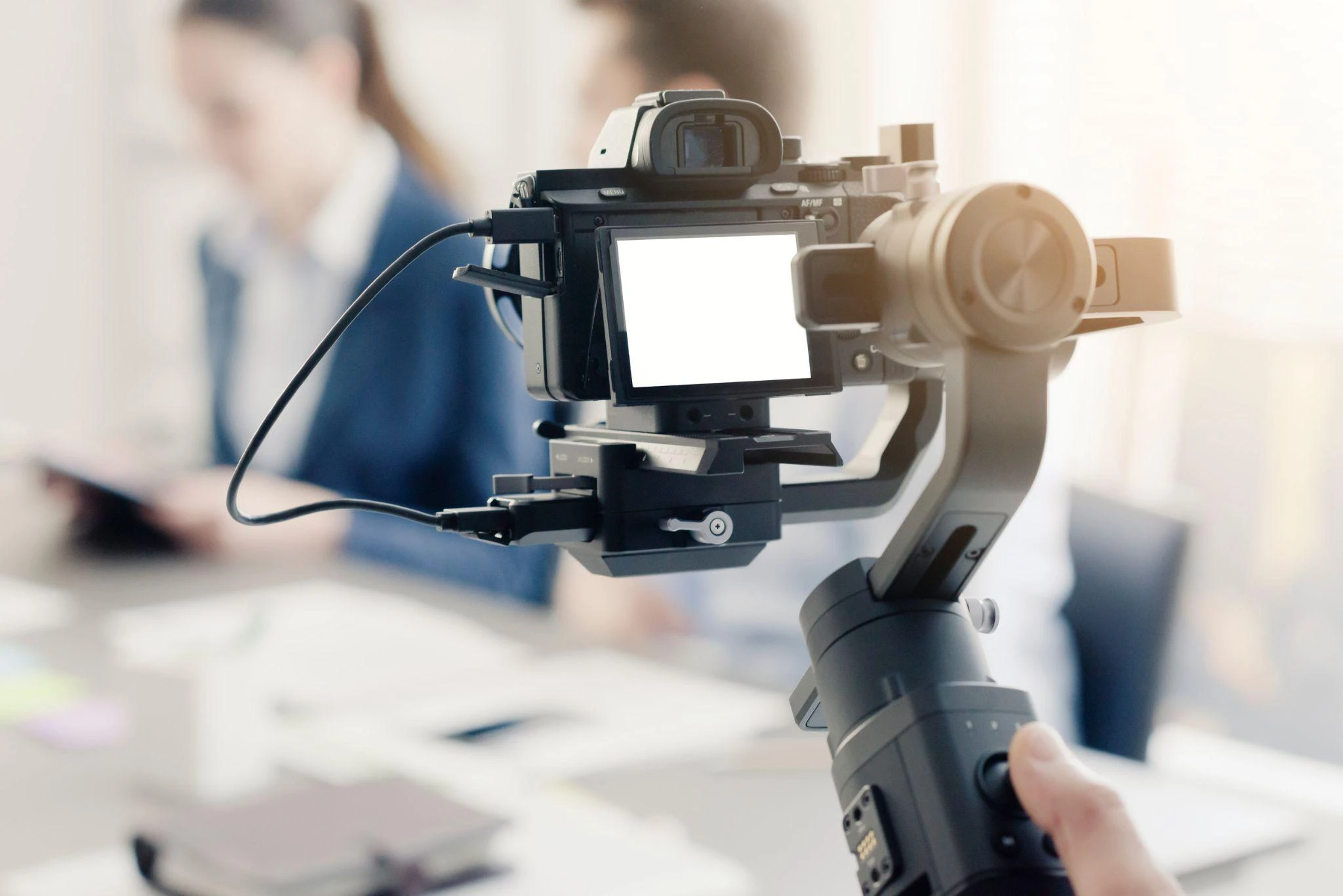
Yes — legal videographers are still essential for both remote and in-person depositions.
While video conferencing tools make recording easier, they do not meet the technical, procedural, or evidentiary standards required in legal proceedings.
At Legal Media Experts, we provide professional legal videographers, court reporters, and deposition services to law firms nationwide, ensuring testimony is accurate, secure, and court-admissible—no matter the format.
Why Are Legal Videographers Still Necessary Today?
Legal videographers do more than press “record.” They protect the integrity of the legal record and ensure deposition video can be used at trial.
Key Benefits of Professional Legal Videography
- High-quality audio and video capture
- Proper witness framing for credibility evaluation
- Time-stamped, unedited master recordings
- Transcript-synchronized video
- Compliance with court rules and evidentiary standards
These safeguards are critical for both remote and in-person depositions.
In-Person Depositions: When They’re Still the Best Choice
Although remote depositions are widely accepted, in-person depositions remain essential in many cases across the U.S.A
Advantages of In-Person Depositions
| Benefit | Why It Matters |
| Clear body language | Judges and juries rely on nonverbal cues |
| Controlled environment | Lighting, sound, and camera placement are optimized |
| Reduced technical risks | No internet disruptions or device failures |
| Higher impact testimony | Ideal for experts and key witnesses |
In complex litigation, personal injury cases, or expert testimony, in-person legal videography provides a level of reliability that software-only recordings cannot match.
Remote Depositions: The New Normal
Remote depositions are widely used for efficiency and accessibility.
Why Law Firms Choose Remote Depositions
- Reduced travel costs
- Faster scheduling
- Easier coordination for multi-state cases
- Flexibility for attorneys and witnesses
However, remote does not mean informal or unregulated.
Do Remote Depositions Still Require Legal Videographers?
Yes. Even in remote settings, legal videographers play a critical role.
What a Legal Videographer Handles in Remote Depositions
- Manages video feeds and witness framing
- Ensures uninterrupted audio and video capture
- Coordinates with court reporters for transcript sync
- Handles exhibits, picture-in-picture (PiP), and playback
- Provides secure, court-ready video files
Built-in platform recordings lack redundancy, quality control, and legal safeguards. A certified legal videographer ensures your remote deposition is admissible and usable at trial.
How Legal Media Experts Supports Law Firms
Legal Media Experts works with attorneys across the U.S., delivering consistent, court-compliant results.
Our Experience & Trust Signals
- Certified legal videographers
- Seamless coordination with court reporters
- Deep understanding of deposition rules
- Secure chain-of-custody handling
- Fast turnaround times
Attorneys rely on us because we understand both the technical and procedural demands of legal proceedings in the Carolinas.
👉 Learn more about our services:
🔗 https://legalmediaexperts.com/services
Remote vs In-Person Depositions: How to Choose
Choose Remote Depositions When:
- Witnesses are located outside SC or NC
- Budget efficiency is a priority
- Scheduling flexibility is needed
- Testimony is straightforward
Choose In-Person Depositions When:
- Credibility and demeanor are critical
- Expert or medical testimony is involved
- Exhibits require hands-on presentation
- High-stakes litigation is at issue
In both cases, professional legal videographers and court reporters ensure the record is preserved accurately.
Step-by-Step: How to Schedule a Legal Videographer
- Share the deposition date, location, and format
- Confirm remote or in-person requirements
- Identify jurisdiction-specific court rules
- Coordinate with court reporters
- Record, certify, and securely deliver files
This structured approach helps avoid technical issues and evidentiary challenges later.
This structured approach helps avoid technical issues and evidentiary challenges later.
Do I need a legal videographer for a Zoom deposition?
Yes. A legal videographer ensures professional video quality, proper framing, transcript synchronization, and court-admissible recordings.
Are remote depositions admissible in SC and NC courts?
Yes, when recorded properly by a certified legal videographer and court reporter following applicable rules.
What’s the difference between legal videographers and court reporters?
Court reporters create the official written transcript.
Legal videographers capture and certify the video record and sync it with the transcript.
How fast can I receive the final deposition video?
Most files are delivered within 24–72 hours, with expedited options available.
Why Professional Videography Improves Trial Outcomes
Video depositions are increasingly used at trial because they:
- Enhance juror engagement
- Preserve witness testimony when live appearance isn’t possible
- Strengthen impeachment and credibility assessments
- Improve clarity in complex or technical cases
Courts and juries respond more effectively to clear, professionally recorded testimony.
Final Takeaway: Legal Videographers Are Still Essential
Remote technology has expanded options—but it has not replaced professional legal videography. Whether your deposition is remote or in-person, working with experienced legal videographers and court reporters protects your case and strengthens your presentation.
📢 Ready to Schedule Your Deposition?
Legal Media Experts proudly serves law firms with trusted legal videography and deposition services.
👉 Contact us today to book a legal videographer
👉 Explore our deposition services
AI Overview
Legal videographers are still necessary for both remote and in-person depositions. Built-in video platform recordings do not meet court standards for quality or reliability. Professional legal videographers ensure clear audio and video, proper witness framing, and synchronization with court reporter transcripts. In-person depositions are often preferred for high-stakes or credibility-focused testimony. Remote depositions remain popular for cost and scheduling flexibility. In both formats, certified videography supports court-admissible, trial-ready records.