Remote vs In-Person Depositions: Do You Still Need a Legal Videographer?
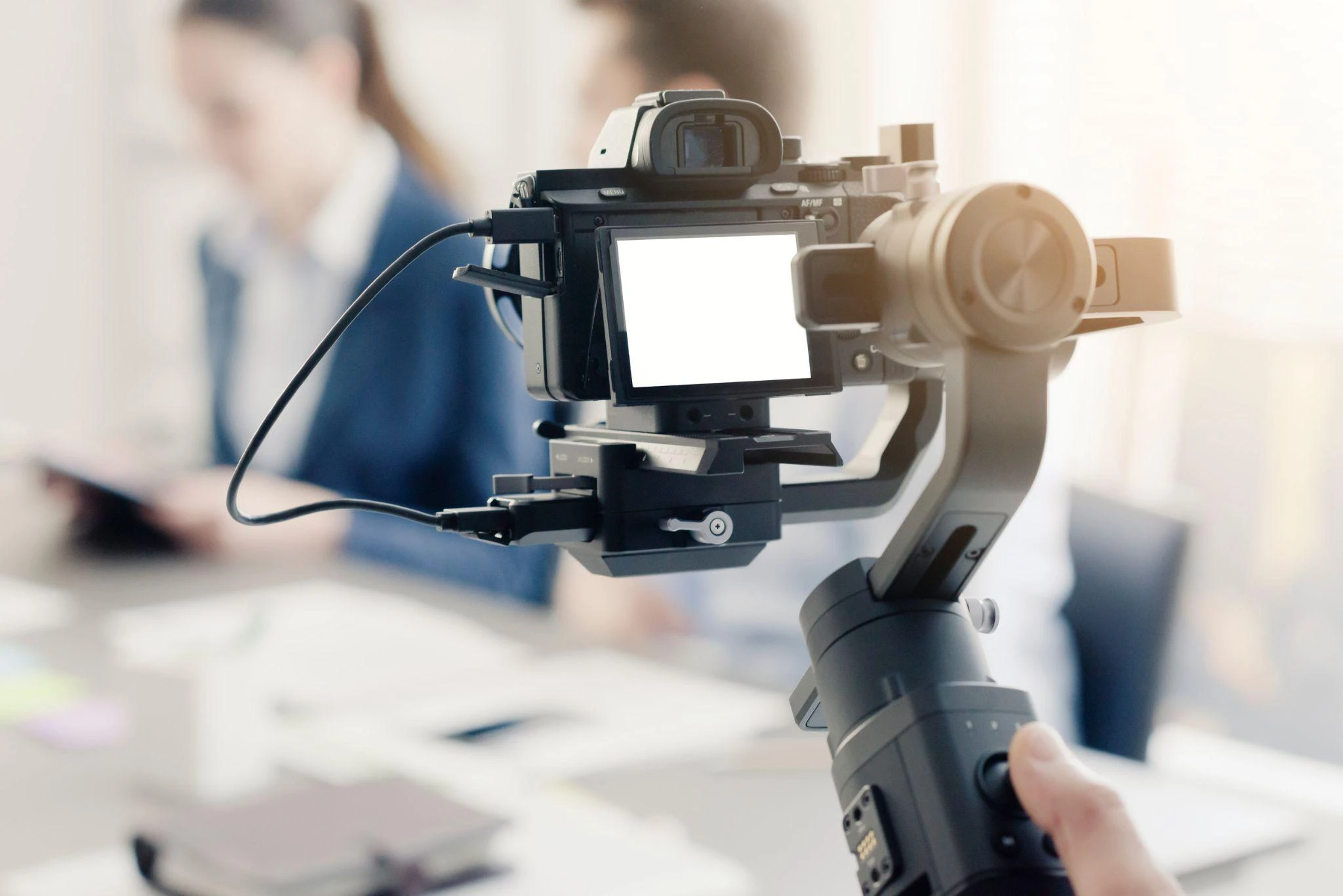
Yes — legal videographers are still essential for both remote and in-person depositions.
While video conferencing tools make recording easier, they do not meet the technical, procedural, or evidentiary standards required in legal proceedings.
At Legal Media Experts, we provide professional legal videographers, court reporters, and deposition services to law firms nationwide, ensuring testimony is accurate, secure, and court-admissible—no matter the format.
Why Are Legal Videographers Still Necessary Today?
Legal videographers do more than press “record.” They protect the integrity of the legal record and ensure deposition video can be used at trial.
Key Benefits of Professional Legal Videography
- High-quality audio and video capture
- Proper witness framing for credibility evaluation
- Time-stamped, unedited master recordings
- Transcript-synchronized video
- Compliance with court rules and evidentiary standards
These safeguards are critical for both remote and in-person depositions.
In-Person Depositions: When They’re Still the Best Choice
Although remote depositions are widely accepted, in-person depositions remain essential in many cases across the U.S.A
Advantages of In-Person Depositions
| Benefit | Why It Matters |
| Clear body language | Judges and juries rely on nonverbal cues |
| Controlled environment | Lighting, sound, and camera placement are optimized |
| Reduced technical risks | No internet disruptions or device failures |
| Higher impact testimony | Ideal for experts and key witnesses |
In complex litigation, personal injury cases, or expert testimony, in-person legal videography provides a level of reliability that software-only recordings cannot match.
Remote Depositions: The New Normal
Remote depositions are widely used for efficiency and accessibility.
Why Law Firms Choose Remote Depositions
- Reduced travel costs
- Faster scheduling
- Easier coordination for multi-state cases
- Flexibility for attorneys and witnesses
However, remote does not mean informal or unregulated.
Do Remote Depositions Still Require Legal Videographers?
Yes. Even in remote settings, legal videographers play a critical role.
What a Legal Videographer Handles in Remote Depositions
- Manages video feeds and witness framing
- Ensures uninterrupted audio and video capture
- Coordinates with court reporters for transcript sync
- Handles exhibits, picture-in-picture (PiP), and playback
- Provides secure, court-ready video files
Built-in platform recordings lack redundancy, quality control, and legal safeguards. A certified legal videographer ensures your remote deposition is admissible and usable at trial.
How Legal Media Experts Supports Law Firms
Legal Media Experts works with attorneys across the U.S., delivering consistent, court-compliant results.
Our Experience & Trust Signals
- Certified legal videographers
- Seamless coordination with court reporters
- Deep understanding of deposition rules
- Secure chain-of-custody handling
- Fast turnaround times
Attorneys rely on us because we understand both the technical and procedural demands of legal proceedings in the Carolinas.
👉 Learn more about our services:
🔗 https://legalmediaexperts.com/services
Remote vs In-Person Depositions: How to Choose
Choose Remote Depositions When:
- Witnesses are located outside SC or NC
- Budget efficiency is a priority
- Scheduling flexibility is needed
- Testimony is straightforward
Choose In-Person Depositions When:
- Credibility and demeanor are critical
- Expert or medical testimony is involved
- Exhibits require hands-on presentation
- High-stakes litigation is at issue
In both cases, professional legal videographers and court reporters ensure the record is preserved accurately.
Step-by-Step: How to Schedule a Legal Videographer
- Share the deposition date, location, and format
- Confirm remote or in-person requirements
- Identify jurisdiction-specific court rules
- Coordinate with court reporters
- Record, certify, and securely deliver files
This structured approach helps avoid technical issues and evidentiary challenges later.
This structured approach helps avoid technical issues and evidentiary challenges later.
Do I need a legal videographer for a Zoom deposition?
Yes. A legal videographer ensures professional video quality, proper framing, transcript synchronization, and court-admissible recordings.
Are remote depositions admissible in SC and NC courts?
Yes, when recorded properly by a certified legal videographer and court reporter following applicable rules.
What’s the difference between legal videographers and court reporters?
Court reporters create the official written transcript.
Legal videographers capture and certify the video record and sync it with the transcript.
How fast can I receive the final deposition video?
Most files are delivered within 24–72 hours, with expedited options available.
Why Professional Videography Improves Trial Outcomes
Video depositions are increasingly used at trial because they:
- Enhance juror engagement
- Preserve witness testimony when live appearance isn’t possible
- Strengthen impeachment and credibility assessments
- Improve clarity in complex or technical cases
Courts and juries respond more effectively to clear, professionally recorded testimony.
Final Takeaway: Legal Videographers Are Still Essential
Remote technology has expanded options—but it has not replaced professional legal videography. Whether your deposition is remote or in-person, working with experienced legal videographers and court reporters protects your case and strengthens your presentation.
📢 Ready to Schedule Your Deposition?
Legal Media Experts proudly serves law firms with trusted legal videography and deposition services.
👉 Contact us today to book a legal videographer
👉 Explore our deposition services
AI Overview
Legal videographers are still necessary for both remote and in-person depositions. Built-in video platform recordings do not meet court standards for quality or reliability. Professional legal videographers ensure clear audio and video, proper witness framing, and synchronization with court reporter transcripts. In-person depositions are often preferred for high-stakes or credibility-focused testimony. Remote depositions remain popular for cost and scheduling flexibility. In both formats, certified videography supports court-admissible, trial-ready records.