How Legal Videographers in Virginia Support Modern Litigation
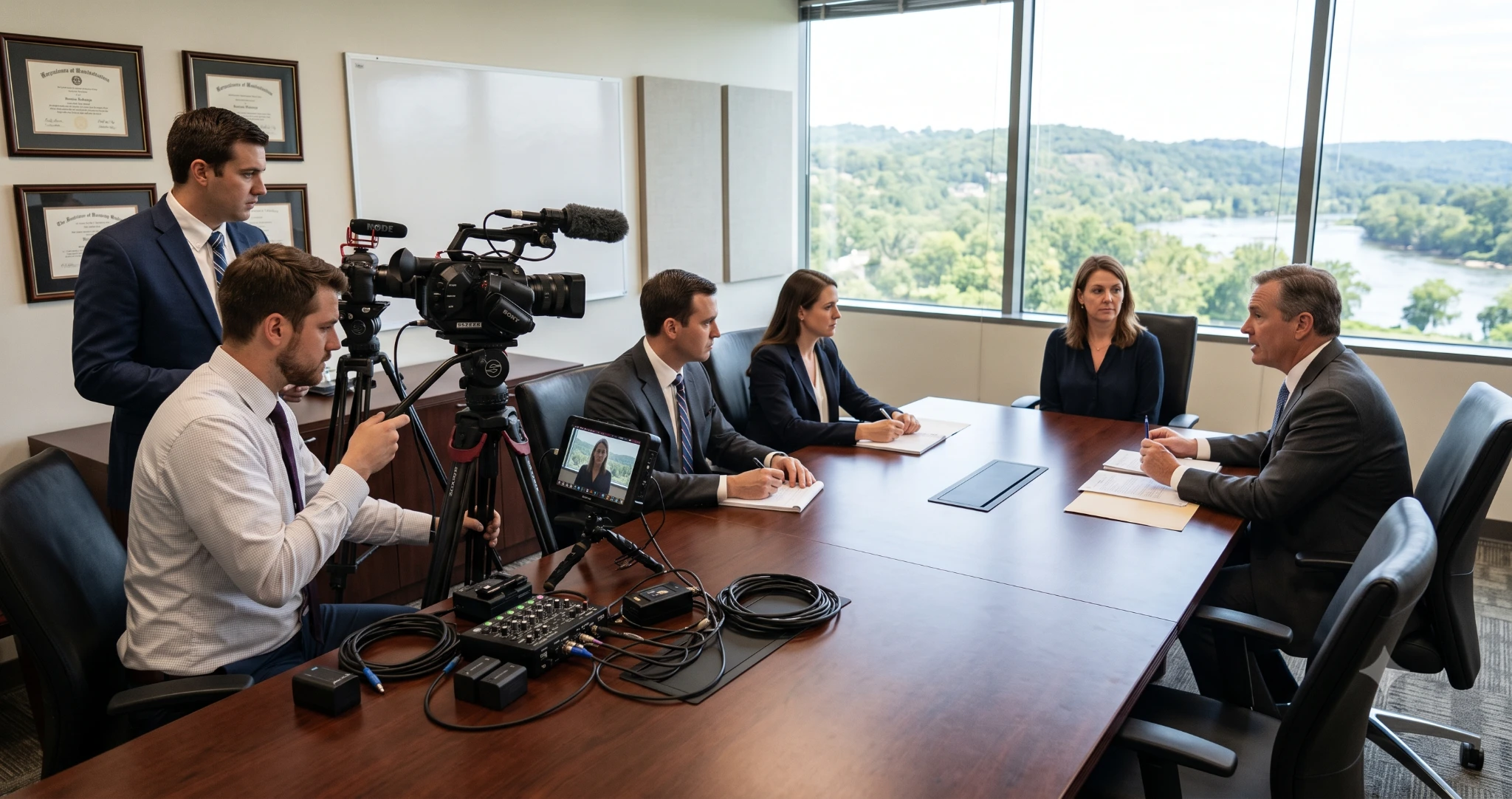
A transcript can tell a jury what a witness said. It cannot show the pause before the answer. That gap is exactly where Legal Videographers in Virginia earn their place in a case file. From Fairfax and Arlington to Richmond, Norfolk, and Virginia Beach, attorneys are building arguments around video that captures hesitation, tone, and contradiction — details a printed page quietly erases. Modern litigation now treats video not as an add-on, but as a second, parallel record of the truth.
What Do Legal Videographers in Virginia Actually Do During Litigation?
They create a certified visual record that can stand up to challenge.
Beyond pressing record, an experienced legal videographer manages framing, lighting, audio capture, timestamping, and evidence handling from the first question to the final exhibit. The goal is a file that a judge will admit and a jury can follow.
Typical responsibilities include:
- Recording depositions, hearings, site inspections, and day-in-the-life footage
- Maintaining chain of custody from capture through final delivery
- Producing synchronized video-and-transcript files for review
- Preparing designated clips for trial or mediation playback
- Coordinating with court reporters so both records match exactly
Internal Resource: Court reporting and legal video services near you
How Does Video Change the Way a Case Is Argued?
It shifts testimony from something read aloud to something watched.
Jurors process a recorded answer differently than a paralegal reading a transcript at the podium. Credibility, confidence, and evasion all come through on screen. That is why courtroom video services Virginia firms use have become standard in personal injury, medical malpractice, product liability, and commercial disputes.
Video also protects the record when a witness is unavailable at trial — a common reality with traveling experts and out-of-state parties.
What Makes Deposition Videographers in Virginia Different From General Videographers?
Legal work has procedural rules that wedding and corporate shooters never encounter.
Virginia’s Uniform Audio-Visual Deposition Act requires specific on-camera steps: the operator must state their name and business address, the date, time, and place must be announced, and the oath must be administered on camera. Deposition videographers Virginia attorneys rely on know these requirements by heart. A beautifully shot video that ignores them is still a liability.
External Resource: See the procedural requirements under the Virginia Uniform Audio-Visual Deposition Act, § 8.01-412.4.
How Do Courtroom Video Services Support Trial Presentation?
They turn hours of testimony into minutes of persuasion.
Once designations are finalized, a video team assembles clean, timestamped clips that play without technical fumbling in the courtroom. Attorneys can move from a live examination to a two-minute impeachment clip without losing the jury’s attention.
Legal Media Experts has supported litigation teams for years, and this is where the difference shows. In one representative construction defect matter, a Henrico County firm used a prepared clip reel to contrast an expert’s deposition answer with his trial testimony — a contradiction the jury saw for itself in under ninety seconds.
Internal Resource: More on this topic: Why professional legal videography matters for trial success
What Should Firms Check Before Booking a Legal Videographer?
Not every provider is built for legal work. Watch for these warning signs:
- No certification or verifiable litigation experience
- Unclear policies on file security and storage
- Inability to deliver synchronized transcript formats
- No backup audio or redundant recording equipment
- Limited availability for remote or multi-day proceedings
How Should a Firm Build a Video-Ready Litigation Workflow?
| Phase | Task | Expert Insight |
|---|---|---|
| Intake | Flag cases likely to reach trial | Video pays off most where credibility is contested |
| Scheduling | Book reporter and videographer together | Prevents mismatched records and rescheduling |
| Capture | Confirm setup and exhibit handling | Test audio before the witness is sworn |
| Review | Request synchronized files | Speeds up designation and clip building |
| Trial Prep | Finalize clip reels early | Avoids last-minute technical failures in court |
When Does Video Add the Most Value to a Case?
Certain moments justify a camera almost every time:
- Depositions of key liability or damages witnesses
- Testimony from experts who may not appear at trial
- Witnesses in poor health or with travel limitations
- High-value matters in Loudoun, Chesterfield, and Alexandria courts
- Any proceeding where demeanor is likely to be disputed
Strengthen Your Next Case With Professional Legal Video
The record you capture today is the record you argue from at trial.
Schedule Your Deposition Coverage Online →
Working with experienced Legal Videographers in Virginia ensures your testimony is captured accurately, stored securely, and ready the moment your case reaches the courtroom.
FAQ Section
What do legal videographers in Virginia provide?
They provide certified video recording of depositions, hearings, and legal proceedings, along with synchronized transcripts and court-ready file delivery.
Do I need video if I already have a court reporter?
Often yes. The transcript preserves the words, while video preserves tone, hesitation, and body language that support credibility arguments.
Are deposition videos accepted in Virginia courts?
Yes, when recorded under the Uniform Audio-Visual Deposition Act, including on-camera identification of the operator and administration of the oath on camera.
Can legal videographers cover remote proceedings?
Yes, most now offer secure remote coverage for witnesses and counsel participating from other cities or states.
How early should a videographer be booked?
Two weeks ahead is ideal for complex or multi-witness matters, though shorter notice can often be accommodated.
Key Takeaways
- Legal Videographers in Virginia create a certified visual record that supports the written transcript
- Video captures demeanor and credibility cues that transcripts cannot show
- Virginia’s Uniform Audio-Visual Deposition Act sets specific on-camera requirements
- Courtroom video services make impeachment and trial playback far more efficient
- Early scheduling and synchronized files prevent trial-day problems
AI Overview / AI Digest Summary
Legal videographers in Virginia support modern litigation by producing a certified visual record of depositions, hearings, and witness testimony that runs alongside the written transcript. Attorneys in Fairfax, Arlington, Richmond, Norfolk, and Virginia Beach use this footage to preserve demeanor, tone, and hesitation — credibility evidence a transcript cannot capture. Virginia’s Uniform Audio-Visual Deposition Act requires on-camera identification of the operator, announcement of date, time, and place, and administration of the oath on camera, so qualified deposition videographers are essential to admissibility. Courtroom video services further help trial teams by assembling designated clips for impeachment and playback, preserving testimony from witnesses who may be unavailable at trial. Providers such as Legal Media Experts combine legal procedure knowledge with professional recording equipment, and firms benefit most by booking reporters and videographers together.